You Won’t Believe What I Found in Jounieh’s Hidden Commercial Scene
Tucked between the mountains and the Mediterranean, Jounieh, Lebanon, surprised me in ways I never expected. Beyond the postcard views and cable cars, I stumbled upon a buzzing network of markets, seaside promenades, and local hotspots where commerce and culture collide. This isn’t just a tourist town—it’s a living, breathing hub of energy, flavor, and discovery. If you think you know Lebanon’s coastal vibe, think again—what I found here changed my entire perspective.
First Impressions: More Than Just a View
Arriving in Jounieh, most visitors head straight for the gondola ride to Harissa, drawn by panoramic views of the bay and the towering statue of Our Lady of Lebanon. While the ascent offers a breathtaking spectacle, the real magic begins at ground level, where the rhythm of daily life pulses through narrow lanes and open plazas. Instead of following the crowds upward, I chose to wander the streets below, where commerce unfolds not in sterile shopping centers but in vibrant, human-scaled spaces. The coastline here is a seamless blend of modern cafes, family-run grocers, and traditional souks, each contributing to a sensory tapestry that feels both relaxed and electric.
Unlike the relentless pace of Beirut, Jounieh’s commercial zones operate at a rhythm that invites exploration. There’s no rush, no pressure—just the steady hum of life in motion. Shopkeepers greet regulars by name, children dart between fruit stands, and the scent of freshly baked man’oushe wafts from corner ovens. These small, seemingly ordinary moments reveal a deeper truth: Jounieh’s economy is not built solely on tourism, but on a resilient foundation of local trade and community connection. The city’s charm lies not in grand monuments, but in the hand-painted signs above spice stalls, the clinking of coffee cups in sidewalk cafes, and the ease with which strangers exchange smiles.
What struck me most was the authenticity of the experience. There are no overpriced souvenir shops crowding the main paths, no generic chain stores diluting the character of the streets. Instead, every storefront tells a story—of craftsmanship, of family legacy, of a deep-rooted relationship with the land and sea. A vendor selling dried herbs explained how his father taught him to blend za’atar with wild thyme gathered from the hillsides. A tailor adjusted a suit for a young man preparing for his sister’s wedding, working with precision honed over decades. These interactions are not performances for tourists; they are the quiet, steady heartbeat of a city that values continuity and care.
The Heartbeat of the Harbor: Jounieh’s Seafront Promenade
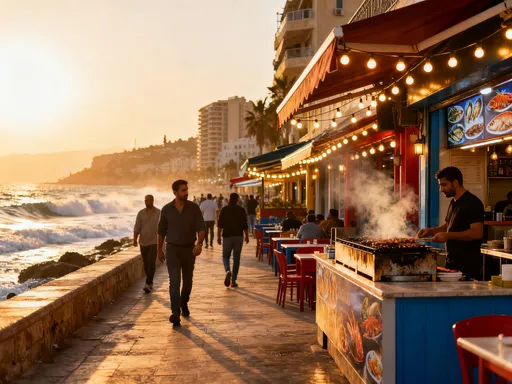
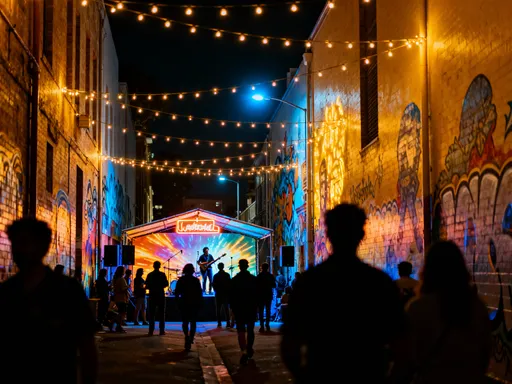
The Corniche, Jounieh’s seaside promenade, is where the city truly comes alive. Stretching along the shimmering edge of the Mediterranean, this walkway serves as both a recreational space and a commercial corridor, where leisure and livelihood intersect in harmonious balance. By day, families stroll hand in hand, children chase ice cream vendors, and joggers move steadily along the paved path. By dusk, the atmosphere shifts—string lights flicker on, soft music drifts from waterfront lounges, and the air fills with the smoky aroma of grilled fish and garlic-laden tahini.
What sets Jounieh’s Corniche apart from other tourist-heavy waterfronts is its authenticity. This is not a manufactured experience designed for Instagram aesthetics; it is a genuine gathering place for locals and visitors alike. Restaurants here do not rely on flashy menus or celebrity endorsements. Their reputations are built on generations-old recipes, daily deliveries of fresh seafood, and the kind of hospitality that makes you feel like an honored guest. One evening, I dined at a modest seaside grill where the owner brought me a complimentary plate of grilled sardines after learning it was my first time in Lebanon. “Eat,” he said with a warm smile. “This is how we welcome friends.”
The commercial activity along the Corniche is organic and unforced. Fishermen still bring in their morning catch, which is quickly distributed to nearby kitchens. Vendors sell cold drinks and handmade bracelets without aggressive sales tactics. Even the live music—often featuring traditional Arabic instruments like the oud and darbuka—feels spontaneous rather than staged. As I walked the promenade at sunset, watching couples pause to take photos and elderly men play backgammon under shaded umbrellas, I realized I wasn’t just observing commerce. I was participating in a living culture where business is inseparable from relationship, and profit is measured not just in money, but in connection.
Hidden Markets and Local Treasures
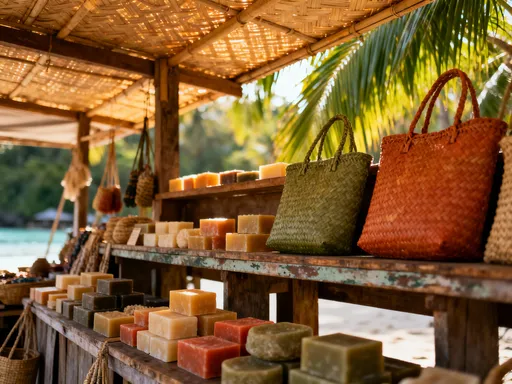
Just beyond the well-trodden paths of the Corniche and the gondola station lie Jounieh’s hidden markets—small, unassuming bazaars tucked behind apartment blocks and quiet alleyways. These are not tourist-centric souvenir stalls selling mass-produced trinkets. They are the real commercial arteries of the city, where families shop weekly for food, clothing, and household goods. Exploring these markets felt like stepping into the private life of Jounieh, where commerce is personal, deliberate, and deeply rooted in tradition.
I wandered through a covered market shaded by corrugated metal roofs, where vendors called out greetings in Arabic and French. One stall overflowed with vibrant spices—deep red sumac, golden turmeric, and fragrant cumin—each jar labeled in careful handwriting. Another displayed hand-stitched embroidery, the intricate patterns passed down through generations of women in the Mount Lebanon villages. I met a woman selling jars of preserved lemons, a staple in Lebanese cooking, who explained how her family has used the same brining method for over fifty years. “No chemicals,” she said proudly, “just salt, lemon, and time.”
What makes these markets remarkable is not just the quality of the goods, but the nature of the exchange. Bargaining is common, but it is never confrontational. It is a ritual of respect, a way of building rapport before a transaction. A simple “How are you today?” often precedes a discussion of price. Payment is typically in cash, and many vendors keep their accounts in small notebooks, recording purchases by hand. There is a dignity in this system—a sense that every sale is part of a larger web of trust and mutual support.
These hidden markets are also a testament to Jounieh’s economic resilience. While tourism brings seasonal income, it is these local exchanges that sustain families year-round. The economy here is not dependent on foreign visitors; it thrives because people continue to buy from neighbors, support artisans, and value quality over convenience. In a world increasingly dominated by global supply chains and digital transactions, Jounieh’s markets offer a refreshing reminder of commerce as a human act—one built on conversation, craftsmanship, and care.
Modern Malls Meet Tradition: The Rise of Hybrid Spaces
While Jounieh’s traditional markets offer a deeply personal shopping experience, the city has also embraced modern retail in thoughtful, culturally sensitive ways. Malls like Le Mall Jounieh represent a new kind of commercial space—one that blends international brands with Lebanese identity. Unlike generic shopping centers found in many global cities, these venues are designed to reflect the local spirit, creating hybrid environments where global consumerism and regional culture coexist.
Walking through Le Mall Jounieh, I noticed how seamlessly Lebanese elements are woven into the design. Weekend evenings often feature live oud music in the central atrium, where families gather to listen and sip mint tea. Pop-up food stands serve freshly fried kibbeh and warm pita stuffed with labneh, drawing long lines of eager customers. Art displays from regional creators rotate monthly, showcasing everything from calligraphy to contemporary paintings inspired by the Mediterranean coast. Even the layout encourages lingering—spacious seating areas, natural light, and open-air terraces make the mall feel less like a place to rush through, and more like a destination to enjoy.
What stands out is the intentionality behind these choices. The mall is not simply a container for global brands; it is a curated space that elevates local talent and traditions. Lebanese designers have dedicated boutiques alongside international labels, offering handcrafted jewelry, linen garments, and olive wood home goods. During the holiday season, the mall hosts a “Made in Lebanon” market, spotlighting small businesses and artisans who might otherwise lack access to large audiences. This integration of culture into commerce transforms shopping from a transactional act into an experience of discovery and pride.
For visitors, these hybrid spaces offer a balanced way to engage with Jounieh’s economy. You can purchase a designer handbag or a pair of imported sneakers, but you can also leave with a hand-embroidered tablecloth or a bottle of estate-pressed olive oil. The mall does not erase tradition; it amplifies it. In doing so, it reflects a broader trend in Lebanese urban life—one that honors the past while embracing the future, and recognizes that economic vitality depends on both innovation and identity.
Café Culture: Where Business and Friendship Blend
In Jounieh, coffee is more than a beverage—it is a ritual, a social anchor, and a silent engine of commerce. The city’s café culture is vibrant and inclusive, spanning family-run espresso bars, quiet tea houses, and trendy rooftop lounges with panoramic sea views. Each space serves a different purpose, yet all share a common ethos: hospitality without pretense, conversation without rush, and connection without agenda.
I spent an afternoon at a modest café tucked between a pharmacy and a shoe repair shop. The owner, a man in his sixties with a neatly trimmed mustache, moved effortlessly between tables, refilling tiny cups of Arabic coffee for regulars. At one table, two men in business attire reviewed documents over glasses of cold water and fresh mint. At another, a group of women laughed over plates of baklava, their children playing nearby. A young student sat alone, scribbling notes in a notebook, his empty cup replaced without a word. This was not just a place to drink coffee; it was a living room for the neighborhood, a neutral ground where life unfolded in real time.
What fascinated me was how naturally business and friendship intertwined. Entrepreneurs used these spaces as informal offices, sketching plans on napkins or negotiating deals over cardamom-scented brews. Yet there was no pressure, no sense of urgency. Deals were made not through aggressive pitches, but through trust built over repeated visits and shared cups. The café, in this context, becomes more than a commercial establishment—it is a social infrastructure, a place where relationships are nurtured and opportunities emerge organically.
Even the modern, Instagram-friendly cafés maintain this spirit. A rooftop lounge on the Corniche offered craft cocktails and DJ sets, yet the atmosphere remained welcoming and unhurried. I watched a woman in a designer dress strike up a conversation with a local fisherman who had stopped by for lemonade. They spoke in a mix of Arabic and broken English, laughing easily. In a world where digital communication often replaces face-to-face interaction, Jounieh’s café culture stands as a quiet rebellion—a reminder that the most valuable exchanges happen not on screens, but across tables, over coffee, in the presence of others.
Practical Insights for Explorers
For those planning to explore Jounieh’s commercial landscape, a few practical insights can enhance the experience. First, navigation is straightforward. Taxis are widely available and affordable, with most drivers familiar with key areas like the Corniche, Harissa gondola station, and major shopping zones. For the more adventurous, walking is not only safe but rewarding—many of the city’s best discoveries happen when you stray from main roads and follow the scent of fresh bread or the sound of laughter from a hidden courtyard.
When it comes to payment, cash remains essential in smaller shops, markets, and family-run eateries. While credit cards are accepted in malls and upscale restaurants, many vendors in traditional markets operate on a cash-only basis. It’s wise to carry Lebanese pounds, though U.S. dollars are also commonly accepted, especially in tourist-adjacent areas. ATMs are readily available, but it’s best to withdraw cash during daylight hours in well-trafficked locations.
Timing matters. The best hours to explore are from late afternoon to evening, when the Mediterranean heat begins to fade and the city wakes up. Mornings are quieter, with many shops opening around 9 or 10 a.m. Midday, especially between 1 and 4 p.m., can be slow, as families return home for lunch and rest. Sundays are particularly important to note—many family-run businesses close in the afternoon, as it is a day for family gatherings and religious observance. Planning your visit for Tuesday through Thursday ensures the fullest experience.
Dress is generally casual and modest. While Jounieh is cosmopolitan, it remains a conservative city in many ways. Light, breathable clothing is ideal for the coastal climate, and comfortable walking shoes are a must. When visiting religious sites or traditional markets, it’s respectful to avoid overly revealing attire. Above all, approach the city with openness and curiosity. A simple “Salam alaikum” or “Marhaba” goes a long way in building goodwill, and a willingness to engage—even with limited Arabic—will be met with warmth.
Why Jounieh’s Commercial Pulse Matters
In a region too often defined by conflict, displacement, or economic crisis, Jounieh’s thriving commercial life stands as a quiet but powerful testament to resilience. Its markets, cafés, and seaside promenades are not just places to spend money—they are spaces where identity is preserved, relationships are strengthened, and hope is quietly cultivated. To walk through Jounieh is to witness how a community rebuilds not through grand gestures, but through daily acts of commerce, connection, and care.
The city’s economy reflects a delicate balance—between tradition and modernity, local needs and tourist appeal, survival and celebration. It does not rely on foreign aid or international brands to survive. Instead, it draws strength from its people: the fisherman who sells his catch at dawn, the seamstress who repairs a wedding dress by hand, the café owner who remembers your coffee order after one visit. These individuals are the true architects of Jounieh’s revival, proving that economic vitality begins not in boardrooms, but in the streets, shops, and homes where life unfolds.
For the traveler, discovering Jounieh’s hidden commercial scene is more than a shopping excursion or sightseeing tour. It is an invitation to see Lebanon not through the lens of crisis, but through the lens of creativity and endurance. It is a reminder that even in uncertain times, people continue to create, to trade, to gather, and to dream. The city does not sell souvenirs—it shares stories. It does not offer experiences for consumption; it offers moments of genuine human connection.
And perhaps that is the most valuable discovery of all. In a world that often feels fragmented and fast-moving, Jounieh moves at the pace of relationship. It reminds us that commerce, at its best, is not about transactions—it is about trust. It is not about profit alone, but about purpose. To visit Jounieh is not just to see a place, but to feel the steady, enduring pulse of a community that refuses to be defined by hardship. It is a city that sells more than goods—it sells hope, one conversation, one cup of coffee, one handmade embroidery at a time.