You Gotta See These Hidden Architectural Gems in Porto Alegre
Porto Alegre isn’t just another stop on the map—it’s a city where old-world charm meets bold modern design. I was blown away by its unexpected architectural flair, from colonial facades to daring contemporary structures. If you're planning a trip, trust me—this city’s buildings tell stories you won’t want to miss. Let me show you how to spot the coolest details and avoid the tourist traps. As sunlight dances across ornate stonework and sleek glass towers rise beside centuries-old churches, Porto Alegre reveals itself as a living museum of architectural evolution. It’s not the loudest or most famous Brazilian city, but for those who appreciate design with depth, it offers a quietly powerful experience.
First Impressions: A City That Defies Expectations
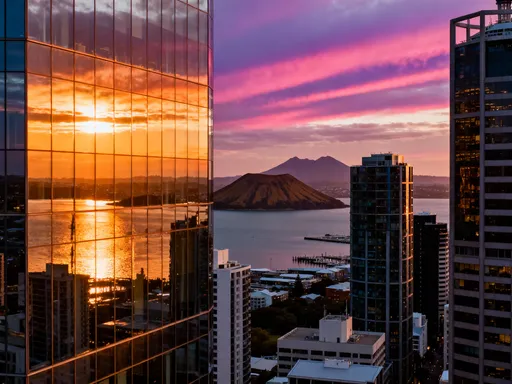
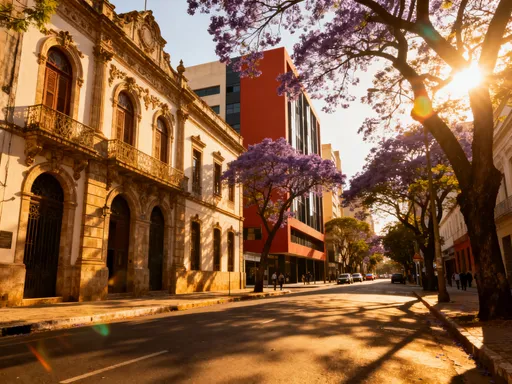
Arriving in Porto Alegre, visitors are often surprised by the harmony between tradition and innovation that defines its skyline. Unlike larger metropolises where modern development overshadows history, this southern Brazilian capital integrates both with grace. The city unfolds along the shores of Guaíba Lake, where the water reflects not only the soft hues of sunset but also the layered architectural identity of the urban landscape. Low-rise colonial buildings stand shoulder to shoulder with bold contemporary forms, creating a dialogue across time that feels intentional rather than accidental.
The European influence is unmistakable, especially in the city’s public institutions and early civic architecture. Portuguese urban planning principles shaped the grid-like layout of the central districts, while Italian craftsmanship left its mark in the intricate cornices, wrought-iron balconies, and stonework of 19th-century residences. Yet these elements have been reinterpreted through a distinctly Brazilian lens—one that embraces color, communal space, and a relaxed relationship between indoor and outdoor life. This fusion makes Porto Alegre stand out among regional capitals for its architectural authenticity and warmth.
Despite its richness, Porto Alegre is frequently overlooked by international travelers who gravitate toward Rio de Janeiro, São Paulo, or Salvador for their more iconic skylines or cultural reputations. But this oversight is precisely what makes the city so rewarding for the thoughtful explorer. There are no overwhelming crowds at major landmarks, no queues to enter historic buildings, and a genuine openness among locals to share stories about their neighborhoods. For architecture enthusiasts, this means space to observe, photograph, and reflect without distraction. The city invites a slower pace—one that allows for deeper appreciation of design details often missed in busier destinations.
The Heart of the City: Historic Downtown and Its Colonial Treasures
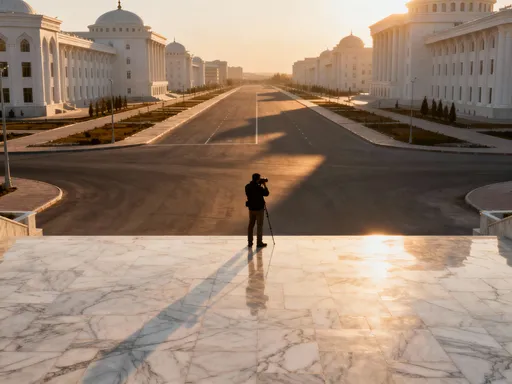
The historic center of Porto Alegre holds some of its most enduring architectural treasures, many of which date back to the 18th and 19th centuries. Among them, the Piratini Palace stands as a symbol of both political heritage and neoclassical elegance. Originally constructed in the late 1800s to house the state government, the building features a symmetrical façade, grand staircases, and a central dome that rises like a crown above the surrounding streets. Inside, marble floors, gilded moldings, and stained-glass skylights reflect the ambition and formality of the era, while guided tours offer insight into how architecture was used to convey authority and stability.
Nearby, the Metropolitan Cathedral presents a different kind of grandeur. Built primarily in the early 20th century, it blends Gothic Revival elements with regional adaptations, including locally sourced stone and simplified ornamentation suited to the climate. Its twin bell towers anchor the city’s religious identity, while the interior’s high vaulted ceilings and arched windows create a sense of uplift and reverence. Though not as flamboyant as some South American cathedrals, its restrained beauty speaks to a tradition of spiritual dignity rather than spectacle.
Walking through downtown, one begins to notice recurring design motifs—arched doorways framed in dark wood, colorful tiles along building bases, and wrought-iron railings shaped into floral patterns. These details, though modest, reveal a deep respect for craftsmanship. Many of these buildings were constructed during periods of economic growth fueled by agriculture and trade, and their durability is a testament to the quality of materials and labor invested at the time. Today, preservation efforts have helped maintain much of this character, though some structures show signs of wear that hint at the ongoing challenge of urban conservation.
For those planning a walking tour of the historic district, timing and preparation make a significant difference. Early morning visits, ideally between 8 and 10 a.m., offer the best lighting for photography and the most comfortable temperatures, especially during the humid summer months. Wearing supportive footwear is essential, as the streets are paved with traditional Portuguese-style stone tiles—beautiful but uneven underfoot. A light backpack with water, sunscreen, and a small map can enhance comfort, while downloading an offline city map ensures navigation remains smooth even with spotty signal. Most sites are within a 20-minute walk of each other, making self-guided exploration both feasible and enjoyable.
Modern Marvels: Where Concrete Meets Creativity
While Porto Alegre honors its past, it also looks boldly toward the future through a collection of striking modern and contemporary buildings. One of the most celebrated examples is the Museum of Art, a structure that draws subtle inspiration from the iconic MASP in São Paulo but interprets its elevated design in a more grounded, context-sensitive way. The museum’s clean lines, exposed concrete surfaces, and expansive glass walls create a sense of openness and transparency, inviting both natural light and public engagement. Its collection focuses on regional artists, and the building itself serves as a statement about the importance of local creativity in national discourse.
The use of raw materials—particularly concrete, steel, and glass—is a hallmark of modern architecture in the city. These elements are not chosen merely for aesthetics but for their functionality in a subtropical climate. Thermal mass from concrete helps regulate indoor temperatures, while large overhangs and shaded walkways provide relief from strong sun exposure. Open-plan layouts and courtyards encourage airflow, reducing reliance on artificial cooling systems. This thoughtful integration of form and function reflects a mature architectural philosophy that values sustainability as much as visual impact.
University campuses, particularly those of the Federal University of Rio Grande do Sul, showcase some of the most innovative modern designs in the city. Academic buildings feature modular structures, green roofs, and communal plazas that foster interaction among students and faculty. The architecture here avoids impersonal rigidity; instead, it promotes accessibility and intellectual exchange. Sculptural installations and integrated landscaping further blur the line between built environment and nature, reinforcing a holistic approach to urban design.
For photography enthusiasts, certain times of day yield the most dramatic results. Late afternoon, when the sun casts long shadows and highlights textures in concrete and stone, is ideal for capturing the interplay of light and form. Early evening visits also allow for shots with softer crowds, as many buildings empty out after business hours. The Museum of Art, for instance, is especially photogenic during golden hour, when its glass façade glows with warm reflections from the surrounding plaza. Using a wide-angle lens can help emphasize perspective, while a tripod—when permitted—ensures sharpness in lower-light conditions.
Cultural Crossroads: Immigrant Influence on Urban Design
Porto Alegre’s architectural diversity is deeply rooted in its history as a melting pot of cultures. During the 19th and early 20th centuries, waves of immigrants from Germany, Italy, and other parts of Europe settled in the region, bringing with them distinct building traditions that merged with local practices. African-Brazilian communities, whose presence dates back to the colonial period, also contributed to the city’s spatial and aesthetic language, particularly in religious and communal structures. The result is a rich tapestry of design influences that continue to shape the city’s neighborhoods.
In areas like Bom Fim and Floresta, Italianate townhouses with red-tiled roofs and stucco walls line quiet streets, their facades often adorned with decorative cornices and small balconies. These homes were typically built around central courtyards, a feature that provided privacy and ventilation—a practical adaptation to the climate. German influence is visible in the timber-framed houses of older districts, where steeply pitched roofs and ornamental woodwork reflect Alpine traditions. Though many of these original homes have been modified or replaced, preservation groups have worked to restore key examples, ensuring that this heritage remains visible.
Religious architecture also reflects this cultural blending. Churches in immigrant neighborhoods often combine European liturgical layouts with Brazilian artistic expression. Azulejos—glazed ceramic tiles—imported from Portugal or handmade locally, decorate the interiors of many chapels, depicting saints, biblical scenes, or floral patterns. These tiles serve both decorative and practical purposes, resisting moisture and fading in humid conditions. Meanwhile, Afro-Brazilian religious spaces, while often more modest in scale, emphasize rhythm, color, and symbolic geometry in their design, creating environments that support ritual and community gathering.
To fully appreciate these layers of influence, guided cultural walks are highly recommended. Several local organizations offer themed tours led by historians or architects who explain not only the visual features of buildings but also the social histories behind them. These walks often include stops at family-run bakeries, historic markets, or community centers, allowing participants to experience the living culture that surrounds the architecture. Booking in advance is advised, especially during cultural festivals or heritage months when demand increases. These tours are typically conducted in Portuguese, but some providers offer English summaries or printed materials for international guests.
Off-the-Beaten-Path Finds: Secret Spots with Style
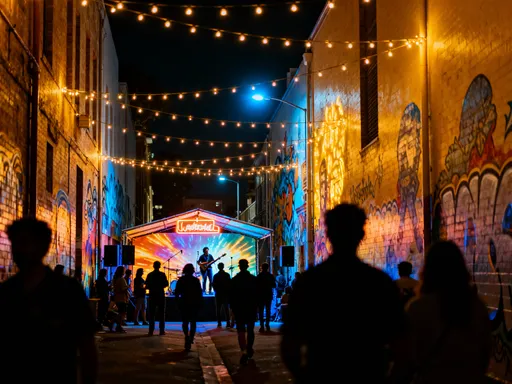
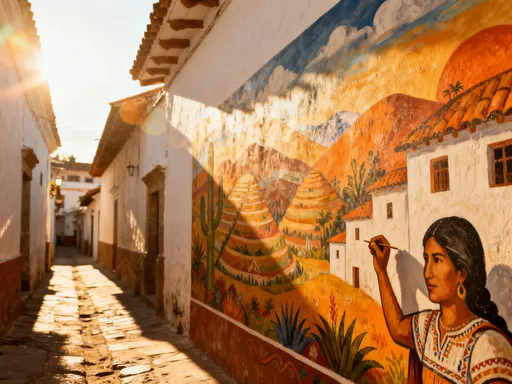
Beyond the well-known landmarks, Porto Alegre hides a network of lesser-known neighborhoods where architectural creativity thrives at street level. Cidade Baixa, once an industrial zone, has transformed into a hub of adaptive reuse, where old warehouses now house art galleries, design studios, and boutique cafés. Exposed brick walls, steel beams, and large industrial windows have been preserved as design features, giving these spaces a raw, authentic character. Murals by local artists cover entire façades, turning alleyways into open-air galleries that change with the seasons.
Moinhos de Vento, named after the windmills that once dotted the area, offers a different kind of charm. Tree-lined avenues and European-style townhouses create an atmosphere of quiet elegance. Here, architectural details like carved stone lintels, stained-glass transoms, and wrought-iron fences are still meticulously maintained. Small plazas and pocket parks provide restful pauses between walks, often anchored by fountains or sculptures that reflect the neighborhood’s refined sensibility. It’s a favorite among locals for weekend strolls, yet remains under the radar for most tourists.
Exploring these areas rewards curiosity and a willingness to wander. Some of the most interesting finds are hidden courtyards accessible through unmarked doorways or narrow passageways between buildings. These spaces, once private residential areas, now sometimes host pop-up exhibitions or community events. To locate them, travelers can use local mapping apps that highlight cultural points of interest, or consult neighborhood-specific guides available at tourist information centers. While GPS can be helpful, nothing replaces the value of talking to shopkeepers or café owners, who often know about upcoming openings or little-known landmarks.
Adaptive reuse projects are particularly abundant in former industrial zones. One notable example is a converted textile factory that now functions as a cultural center, hosting exhibitions, workshops, and performances. Its original brick exterior remains intact, while the interior has been reimagined with flexible partitions and modern lighting. These transformations demonstrate how architecture can evolve without erasing history. For visitors interested in sustainability and urban regeneration, these sites offer inspiring models of how cities can grow thoughtfully while honoring their past.
Smart Travel Tips: Maximizing Your Architectural Adventure
To make the most of an architectural tour of Porto Alegre, thoughtful planning enhances both comfort and depth of experience. The city is highly walkable in its central zones, but combining walking with public transit or bike rentals allows for broader exploration without fatigue. The municipal bus system is extensive and affordable, with key routes connecting major landmarks and cultural districts. For greater flexibility, bike-sharing programs operate in the downtown and lakeside areas, offering a pleasant way to cover longer distances while enjoying views of Guaíba Lake.
Timing is crucial. Midday visits during summer can be uncomfortable due to heat and humidity, so scheduling indoor sites—such as museums or historic buildings with air conditioning—for those hours makes practical sense. Conversely, early mornings and late afternoons are ideal for outdoor exploration, when light conditions are optimal for photography and temperatures are milder. Weekdays are generally less crowded than weekends, especially at popular sites like the Museum of Art or the Piratini Palace, where guided tours may require advance booking.
Integrating café breaks into the itinerary not only provides rest but also deepens cultural immersion. Scenic plazas such as Praça da Matriz or Jardim do Público offer benches and shade, making them perfect for pausing with a coffee or snack. Many nearby cafés serve regional specialties—like chimarrão (a traditional herbal tea) or pastéis (crispy fried pastries)—allowing visitors to engage with local life while observing architectural surroundings. These moments of stillness often lead to unexpected discoveries, such as hidden reliefs on building corners or the way sunlight filters through a historic arcade.
Travelers should also be aware of access limitations. Some historic buildings are only open to the public on specific days or during guided tours, and entry may be restricted during government sessions or maintenance periods. Checking official websites or contacting tourist offices in advance can prevent disappointment. Additionally, several museums and cultural centers offer free admission on certain days of the month—usually the first Sunday—making it possible to experience high-quality architecture and art without added expense. Staying informed about these opportunities allows for a richer, more inclusive visit.
Why It All Matters: Architecture as a Gateway to Culture
At its core, Porto Alegre’s architecture is more than a collection of buildings—it is a narrative of resilience, identity, and aspiration. Each façade, courtyard, and public square tells a story about the people who built it, lived near it, and preserved it across generations. From colonial governance to immigrant enterprise, from academic innovation to artistic reinvention, the city’s structures reflect a continuous process of adaptation and pride. To walk through Porto Alegre is to engage with a living history shaped by both challenge and creativity.
For travelers, looking beyond surface beauty to understand the meaning behind design choices fosters a deeper connection to the place. Why was a church built with a particular orientation? How did immigrant families adapt European styles to suit a new climate? What does the reuse of an old factory say about a community’s values today? These questions transform sightseeing into meaningful exploration. Architecture becomes a lens through which to appreciate not just aesthetics, but social values, environmental awareness, and cultural continuity.
Porto Alegre may not have the global fame of other Brazilian cities, but that very quality gives it authenticity. There is no performative tourism here—no staged facades or overcrowded landmarks. Instead, there is honesty in the way the city presents itself: layered, evolving, and deeply rooted in place. It invites visitors to slow down, observe closely, and listen to the quiet stories embedded in brick and stone.
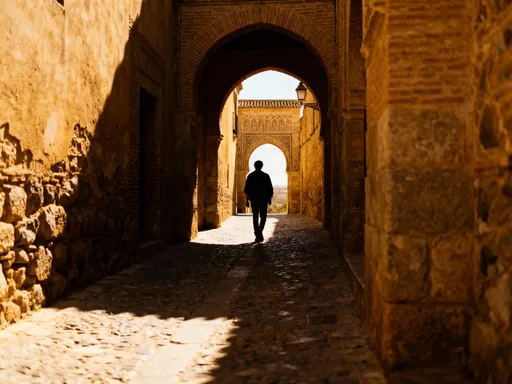
So if you're planning your next journey, consider Porto Alegre not as a detour, but as a destination worth seeking. Bring your curiosity, your camera, and your sense of wonder. Walk its streets with intention, pause beneath its archways, and let the architecture guide you toward a richer understanding of Brazil’s southern soul. Return not just with photos, but with a deeper appreciation for how cities, like people, carry their histories in visible, tangible ways. In Porto Alegre, every building has a voice—if you’re willing to listen.