You Won’t Believe What Hidden Architecture I Found in Ella
Nestled in Sri Lanka’s misty highlands, Ella isn’t just about scenic train rides and hiking trails—its architecture tells a deeper story. From colonial-era bungalows to modern eco-homes blending into the hills, I was stunned by how design shapes the soul of this place. What makes Ella’s buildings so special isn’t just their look, but how they harmonize with nature and history. This is more than sightseeing—it’s experiencing culture through structure. Every stone wall, sloped roof, and sun-dappled veranda reflects a dialogue between people and landscape, one that unfolds quietly but profoundly. In a world where destinations often feel homogenized, Ella stands apart—not because it resists change, but because it weaves the old and new into something both authentic and enduring.
First Impressions: Stepping Into Ella’s Living Landscape
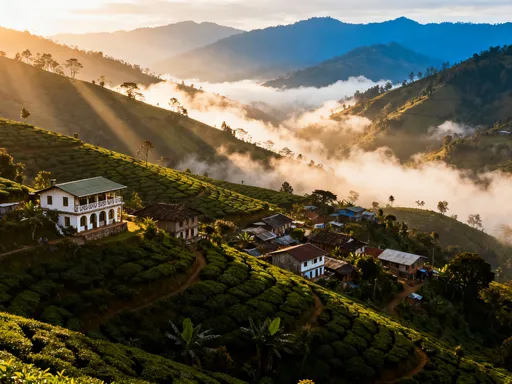
As the train descends from Kandy toward Ella, the terrain shifts gradually—from lush tropical lowlands to rolling hills draped in emerald tea plantations. When Ella finally comes into view, it does not announce itself with grandeur, but with subtlety. The town clings to the contours of the land, its buildings nestled like natural extensions of the rock and soil. Homes perch on steep inclines, supported by stone retaining walls that seem to grow from the earth itself. Wooden frames, clay tiles, and weathered iron roofs blend into the palette of green, gray, and rust, creating a visual rhythm that feels organic rather than imposed.
The architecture here is shaped by necessity as much as beauty. High rainfall, cool temperatures, and strong seasonal winds have led to practical yet elegant design solutions. Sloped roofs are near-universal, designed to shed monsoon rains efficiently. Overhanging eaves protect walls from moisture while casting long shadows that keep interiors cool. Open verandas are not just aesthetic features—they serve as transitional spaces where residents can sit outside without being exposed to wind or rain. These design choices reflect a deep understanding of climate, one passed down through generations and refined by modern builders.
What strikes the observant traveler is how few buildings fight against the land. Instead, they follow its curves, step down its slopes, and open their windows to its views. This sensitivity to topography reduces environmental disruption and enhances the sense of belonging. Even newer constructions, though more modern in finish, often respect these principles. The result is a townscape that feels cohesive, calm, and deeply rooted. In Ella, architecture does not dominate the landscape—it converses with it.
Colonial Echoes: The Lingering Charm of British-Era Buildings
Scattered throughout Ella are quiet remnants of British colonial presence, most visible in a handful of surviving administrative buildings, rest houses, and private cottages constructed during the late 19th and early 20th centuries. These structures, though modest in number, carry a distinct architectural language. Built primarily for comfort in a tropical highland climate, they feature high ceilings that allow hot air to rise, large double-hung windows that encourage cross-ventilation, and wide verandas supported by simple brick or timber columns.
One does not need to be an architectural historian to notice the difference in proportion and materiality. These colonial-era buildings often use imported materials like corrugated iron roofing and molded timber trim, yet they were adapted to local conditions. Their elevated foundations protect against dampness, while thick plastered walls provide insulation. Many were originally painted in soft whites or pastel greens, colors chosen as much for their reflective properties as for aesthetics. Today, some of these buildings have been carefully restored and repurposed—some as guesthouses, others as small museums or community spaces.
Preservation in Ella is not driven by strict regulations, but by a quiet respect for heritage. Local owners often maintain original features like shuttered windows, claw-foot bathtubs, or ceiling roses, even when upgrading interiors for modern use. This selective retention preserves character without sacrificing comfort. Importantly, these colonial buildings do not stand out as foreign intrusions; instead, they have aged into the landscape, their patina of moss and rust blending with the surrounding greenery. They are not monuments frozen in time, but living structures that continue to serve the community.
The contrast between these colonial relics and the surrounding natural beauty is not jarring—it is layered. One can stand at a railway platform originally built by British engineers and watch a modern train glide past, framed by mist-covered peaks. The past is not erased, nor is it overly romanticized. It is simply present, like the scent of damp earth after rain: subtle, undeniable, and part of the air you breathe.
Vernacular Wisdom: Traditional Sri Lankan Design in Rural Homes
Beyond the main roads and tourist pathways, in the quieter hamlets surrounding Ella, a different kind of architecture thrives—one that speaks of centuries of adaptation and ingenuity. Here, rural homes are built using traditional Sri Lankan methods that prioritize availability, thermal comfort, and resilience. The most common construction is wattle-and-daub: a framework of interwoven bamboo or timber branches coated with a mixture of clay, cow dung, and straw. These walls are surprisingly durable, providing excellent insulation against both heat and cold.
Roofs are typically thatched with local grasses or palm leaves, sloped steeply to handle heavy rains. In some homes, clay tiles have replaced thatch for fire safety and longevity, but the overall form remains unchanged. Many houses feature central courtyards, which serve as shaded gathering spaces and help channel breezes through the interior. This inward-focused layout reflects cultural values of family cohesion and privacy, while also creating a microclimate that stays cooler than the outside.
Walking through these villages, one notices how each home is uniquely adapted to its site. Some are built on stilts to avoid flooding; others incorporate rock formations into their foundations. Windows are small and strategically placed, reducing heat gain while allowing for ventilation. Floors are often made of packed earth or terracotta tiles, materials that stay cool underfoot. These design choices are not arbitrary—they are the result of generations of observation and refinement, a form of indigenous knowledge that is rarely documented but deeply effective.
What is most striking is the absence of waste. Every material has a purpose and a lifecycle. When a home is no longer habitable, its components can be reused or returned to the earth. There is no reliance on imported plastics or synthetic insulation. This self-sufficiency is not born of poverty alone, but of a philosophy that values harmony with nature. In an age of climate crisis, these traditional homes offer quiet lessons in sustainability—lessons that modern architecture is only beginning to relearn.
Eco-Architecture Rising: Modern Stays That Respect Nature
In recent years, Ella has seen a quiet revolution in hospitality design—one that embraces sustainability without sacrificing comfort. A growing number of guesthouses and boutique lodges are being built with eco-conscious principles at their core. These structures are not just marketed as 'green'—they are designed from the ground up to minimize environmental impact while maximizing connection to the landscape.
One of the most visible trends is the use of repurposed materials. Old railway sleepers, salvaged timber, and reclaimed stone are frequently used in construction, reducing the need for new resources and adding character to the buildings. Green roofs—covered in native vegetation—are becoming more common, helping to insulate homes, manage rainwater runoff, and restore habitat for local insects and birds. Some lodges incorporate passive solar design, orienting rooms to capture morning sun while using overhangs to block harsh afternoon light.
Energy efficiency is another priority. Solar water heaters are standard in many eco-lodges, and some properties have installed photovoltaic panels to power lighting and appliances. Rainwater harvesting systems collect monsoon rains for irrigation and non-potable uses, reducing strain on local water sources. Even waste management is considered—composting toilets and organic waste recycling are features in some forward-thinking accommodations.
Perhaps the most compelling aspect of this movement is the emphasis on view and integration. Large, floor-to-ceiling windows frame the hills like living paintings. Decks and terraces extend into the landscape, blurring the boundary between inside and outside. These are not buildings placed in nature—they are designed to be part of it. The experience of waking up to mist drifting over tea fields, with the only sound being the rustle of leaves, is made possible by thoughtful placement and minimal footprint construction. This is tourism that does not dominate, but listens.
Blending Old and New: How Contemporary Design Honors Heritage
The architectural evolution in Ella is not a battle between tradition and modernity, but a conversation between them. Many new buildings—especially those catering to travelers—draw inspiration from local forms while incorporating contemporary materials and amenities. Pitched roofs, stone foundations, and exposed wooden beams are common features, not as nostalgic decoration, but as functional elements that respond to climate and context.
This fusion is most evident in the way newer homes and guesthouses balance openness with privacy. Large glass windows offer panoramic views, yet are shaded by deep eaves or louvered screens that allow airflow while controlling light. Interior spaces often combine modern finishes like polished concrete floors with traditional details like hand-carved door frames or clay tile accents. The result is a style that feels both current and rooted, avoiding the generic look of mass tourism developments.
Community attitudes toward this shift are mixed but generally thoughtful. Some long-time residents appreciate the preservation of aesthetic harmony, noting that buildings that 'fit in' contribute to Ella’s charm. Others express concern about rising property values and the potential loss of local character as demand from tourists and investors grows. Yet even critics acknowledge that not all change is harmful—especially when new construction respects scale, materials, and views.
What sets Ella apart is the absence of towering concrete hotels or sprawling resorts. Development has, so far, remained low-rise and site-sensitive. This is not by accident, but by a shared understanding—formal and informal—that the value of Ella lies in its tranquility and natural beauty. Architects and builders who ignore this risk rejection, not just by the community, but by the very visitors they hope to attract. In this way, taste and sustainability are aligned, creating a built environment that serves both people and place.
Beyond Aesthetics: Why Architecture Matters in Travel Experiences
For the mindful traveler, architecture is more than background scenery—it shapes the quality of experience. Staying in a colonial bungalow with creaking floors and a wide veranda changes how one engages with the morning light. Sitting on a hand-built stone terrace as the sun rises over Little Adam’s Peak creates a memory that lingers far longer than a photograph. These moments are made possible not by chance, but by design.
When buildings are thoughtfully integrated into their surroundings, they invite slower, more reflective travel. They encourage guests to notice the texture of a wall, the sound of rain on a metal roof, the way shadows move across a courtyard. These sensory details foster a deeper connection to place—one that goes beyond sightseeing to genuine presence. In an era of fast tourism, where destinations are often consumed in hours, Ella’s architecture supports a different rhythm: one of stillness, observation, and appreciation.
Moreover, architecture can be a bridge to cultural understanding. The layout of a traditional home reveals values around family and hospitality. The materials used tell stories of local resources and craftsmanship. Even the placement of a window can reflect centuries of climatic wisdom. When travelers begin to read these cues, they move from being observers to participants in a living culture. This shift—from passive consumption to active engagement—is at the heart of meaningful travel.
Personal moments often crystallize this connection. Sipping a cup of locally grown tea on a heritage porch, watching children play in a village courtyard, or feeling the coolness of a clay-tiled floor on a warm afternoon—these are experiences made possible by the built environment. They are not staged for tourists, but emerge naturally from spaces designed for life. In Ella, architecture does not separate people from place; it brings them closer.
Traveler’s Guide: Choosing Stays That Showcase Authentic Design
For visitors seeking a deeper experience, choosing accommodations that reflect Ella’s architectural ethos can make all the difference. The goal is not to avoid comfort, but to find places where design enhances connection to the environment and culture. One effective strategy is to look for natural materials—stone, wood, clay, and thatch—as primary elements in construction. These materials age gracefully and contribute to a sense of place.
Integration with the landscape is another key indicator. Does the building follow the slope of the land? Are windows positioned to frame views rather than block them? Is outdoor space designed for use, not just display? Properties that prioritize these features often provide a more immersive experience. Additionally, buildings with minimal visual impact—low profiles, earth-toned finishes, and green roofs—tend to coexist more harmoniously with their surroundings.
Travelers can also ask questions when booking or arriving. Inquiries like 'What materials were used in construction?' or 'Was the design inspired by local styles?' can reveal a host’s commitment to authenticity. Some properties openly share their building story, including challenges and choices, which adds another layer of richness to the stay. Even small details—like handmade furniture or locally woven textiles—can signal a deeper respect for place.
Finally, exploration beyond the main road often leads to hidden architectural gems. A short walk into the surrounding hills might reveal a restored cottage, a family-run tea shop in a traditional home, or a community center built with sustainable methods. These discoveries are rarely advertised, but they offer some of the most authentic encounters. By venturing slightly off the expected path, travelers support local initiatives and gain a more nuanced understanding of Ella’s built environment.
Conclusion: Building Memory Through Place and Form
In Ella, architecture is not merely functional—it is narrative. Every building, whether a century-old bungalow or a newly built eco-lodge, carries stories of climate, culture, and care. These structures do not stand in isolation; they are threads in a larger tapestry woven from land, history, and human intention. To travel here is not just to see a place, but to feel it through the spaces we inhabit.
The most lasting travel memories are often tied to place in subtle ways—the sound of wind through a thatched roof, the coolness of a stone wall on a warm day, the way light falls across a wooden floor in the late afternoon. These sensations are shaped by design, and they linger long after the journey ends. In a world increasingly dominated by uniformity, Ella reminds us that beauty lies in specificity, and meaning in craftsmanship.
As travelers, we have a choice: to pass through quickly, or to look closer, stay longer, and appreciate the quiet intelligence of well-made places. By choosing stays that honor local materials and traditions, by walking village paths with curiosity, and by recognizing buildings as storytellers, we support a form of tourism that is sustainable, respectful, and deeply human. In Ella, every wall has a story, every roof a purpose, and every window a view worth remembering. The true magic of this place is not just in its scenery, but in how it is built—thoughtfully, gently, and with enduring care.