Lost in the Labyrinth: What No One Tells You About Toledo’s Urban Maze
Walking through Toledo, Spain, feels like stepping into a living history book—narrow cobblestone streets, ancient walls, and views that steal your breath. But here’s the truth no travel brochure mentions: its breathtaking charm comes with real urban challenges. I didn’t expect how easy it is to get lost, how steep the climbs are, or how crowded it gets. This is not just a love letter to Toledo—it’s an honest look at what *really* happens when medieval city planning meets modern tourism. Beneath the postcard-perfect façades lies a city shaped by centuries of layered history, where every turn tells a story, but also presents a practical test for today’s traveler. Understanding these realities isn’t about diminishing its magic—it’s about experiencing it more fully and respectfully.
First Impressions: A City That Takes Your Breath—And Then Your Bearings
From a distance, Toledo rises like a fortress from another time, perched high on a hill and encircled by the sweeping curve of the Tagus River. The panoramic views from the Mirador del Valle or the Alcázar viewpoint are nothing short of cinematic. Stone towers, cathedral spires, and red-tiled rooftops stretch across the landscape, bathed in golden light during sunrise or dusk. Yet, as visitors cross the stone bridge into the historic center, the romance of the vista quickly gives way to a different kind of realization—the city does not welcome you with open, clear pathways. Instead, it unfolds in a tangle of narrow, winding alleys that twist and turn with no apparent logic.
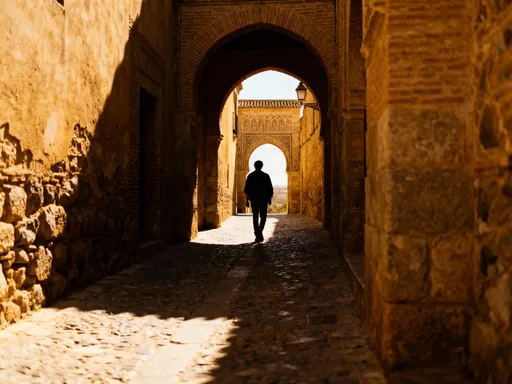
This disorientation is not accidental. Toledo’s urban layout is the result of centuries of organic development, not modern urban planning. Originally a Roman settlement, the city evolved under Visigothic, Muslim, Jewish, and Christian rule, each layer adding new structures, streets, and defensive needs without erasing what came before. The result is a labyrinth where straight lines are rare, and orientation relies less on maps and more on memory, landmarks, and intuition. Unlike grid-based cities such as Barcelona or Manhattan, Toledo was built for defense, not convenience. Its alleys were designed to confuse invaders, with sudden dead ends, steep staircases, and hidden passages meant to slow down any approaching threat.
For today’s traveler, this means that GPS often fails in the narrow stone corridors where satellite signals are blocked by high walls. Signage is sparse and sometimes inconsistent, with street names changing abruptly or missing altogether in older sections. What appears to be a simple walk from the Cathedral to the Synagogue can become a 30-minute journey of retracing steps, climbing inclines, and pausing to ask for directions. The city’s beauty is immediate, but its navigation demands patience. This initial challenge, however, is part of what makes Toledo so authentic. It resists the predictability of modern tourism, offering instead an experience that requires presence, attention, and a willingness to get a little lost in order to truly find your way.
The Myth of the “Easy Walk”: Navigating Toledo’s Deceptive Terrain
Toledo is often described in travel guides as a compact, walkable city—ideal for a day trip or a leisurely exploration. While it is true that most major attractions are within walking distance, the reality on the ground is far more physically demanding than many realize. The term “walkable” does not account for the relentless elevation changes that define Toledo’s topography. What looks like a short 500-meter route on a map can involve climbing the equivalent of five or six flights of stairs, often on uneven cobblestones worn smooth by centuries of foot traffic.
One of the most illustrative examples is Calle del Comercio, a popular route connecting the lower part of the city near the river to the upper districts. This street, lined with shops and cafes, ascends sharply with no gradual slope—just a continuous incline broken only by occasional landings. Similarly, the descent toward the Alcázar viewpoint, while offering stunning photo opportunities, requires careful footing due to the worn, irregular stones and lack of handrails in many sections. For older visitors or those with mobility concerns, these challenges can make even brief excursions exhausting.
The difficulty is compounded by the city’s preservation status. As a UNESCO World Heritage Site, Toledo is subject to strict conservation laws that limit modifications to its historic fabric. This means that installing elevators, ramps, or other accessibility features is often not feasible, especially in the narrowest alleys where space is limited. While these protections are essential for maintaining the city’s authenticity, they also mean that modern accessibility standards cannot always be met. Travelers should prepare accordingly: wear supportive, non-slip footwear with good grip, carry water, and plan visits for cooler parts of the day to avoid overheating. Taking breaks at shaded plazas or cafés not only provides rest but also allows time to absorb the atmosphere without rushing.
Understanding the physical demands of Toledo is not meant to discourage exploration, but to encourage mindful preparation. The city rewards those who move slowly and attentively. Each climb offers a new vantage point, each turn reveals a hidden courtyard or a glimpse of the river below. The effort becomes part of the experience, making the moments of beauty feel earned rather than handed over by a tourist conveyor belt.
Crowds and Congestion: When History Becomes a Bottleneck
Toledo’s compact size, once a strength for defense, has become a significant challenge in the age of mass tourism. During peak seasons—particularly in spring and early autumn—the city sees tens of thousands of visitors each day, many arriving on organized tours from Madrid, just 70 kilometers away. While tourism supports the local economy, it also transforms Toledo’s narrow streets into bottlenecks where foot traffic moves at a near standstill. Areas around the Cathedral, the Monastery of San Juan de los Reyes, and the Synagoga del Tránsito are especially prone to congestion, with queues forming at entrances and crowds spilling into adjacent alleys.
Midday foot traffic data collected during peak season shows that pedestrian flow in central zones can drop to as slow as 0.5 meters per second—less than half the average walking speed in open spaces. This slowdown affects not only tourists but also residents, shopkeepers, and service workers who must navigate the same constrained routes. In some cases, emergency vehicles have difficulty accessing certain areas during high-traffic periods, highlighting a deeper infrastructural strain. The lack of alternative routes exacerbates the problem; unlike larger cities with parallel streets and detours, Toledo’s organic layout offers few bypass options, forcing everyone onto the same narrow paths.
Managing this congestion is complicated by the city’s heritage status, which limits large-scale interventions. There are no wide plazas to redirect crowds, and expanding streets is not an option. Current strategies include timed entry systems for major sites, such as the Cathedral and the Alcázar, which help distribute visitor numbers throughout the day. Some tour operators have begun offering early-morning or late-afternoon visits to avoid the midday rush. Local authorities also promote off-season travel, emphasizing that visiting in winter or on weekdays can dramatically improve the experience.
For travelers, the solution lies in planning and timing. Arriving early in the morning—before 9 a.m.—allows for quieter exploration and better photo opportunities without crowds. Similarly, staying later into the evening, when day-trippers have left, reveals a more peaceful side of the city. Avoiding large group tours and opting for self-guided or small-group experiences can also reduce the feeling of being caught in a human current. While Toledo’s popularity is a testament to its enduring appeal, managing the flow of people is essential to preserving both its charm and functionality.
Hidden in Plain Sight: The Urban Gaps Tourists Never Notice
Beyond the well-trodden paths of the Cathedral and the Jewish Quarter lies a quieter, more intimate Toledo—one that most visitors never see. These overlooked spaces—abandoned courtyards, empty plazas, and forgotten alleys—are not on most guidebooks, yet they offer a truer sense of the city’s daily rhythm. While tourists cluster around major landmarks, residents move through side streets, pause in small squares, and gather in neighborhood shops that have operated for generations. These moments of ordinary life unfold in the gaps between the famous sights, invisible to those who follow only the marked trails.
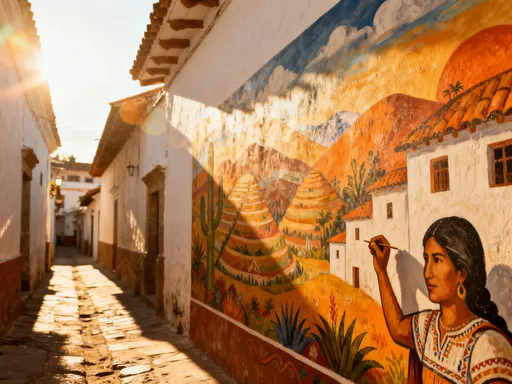
One such area is the lower town near the Tagus River, accessible via the old city walls or the Puente de Alcántara. Here, the pace slows, and the architecture shifts from grand religious buildings to modest homes with flower-filled balconies. The sound of church bells fades, replaced by the rustle of leaves and the occasional bark of a dog. Another quiet zone can be found in the less-visited lanes of the Jewish Quarter, away from the main synagogue. These alleys, lined with whitewashed walls and iron grilles, feel more residential and less performative, offering a glimpse into how people actually live within this historic shell.
Discovering these spaces requires a shift in mindset—from ticking off attractions to practicing slow exploration. Instead of rushing from one site to the next, travelers are encouraged to wander without a fixed destination, observe their surroundings, and engage respectfully with the environment. Carrying a detailed local map—preferably one that includes residential streets—can help. Talking to shop owners, café staff, or local residents often yields unexpected insights and directions to lesser-known spots. Avoiding the routes taken by large tour groups increases the chances of finding solitude and authenticity.
These hidden areas are not just scenic—they are vital to understanding Toledo as a living city, not just a museum. They remind visitors that behind the centuries-old walls are families, workers, and traditions that continue to shape the urban landscape. Respecting these spaces means moving quietly, avoiding intrusive photography, and recognizing that some parts of the city are not meant for display. In doing so, travelers contribute to a more balanced and sustainable form of tourism.
Services and Infrastructure: The Struggle Behind the Scenes
While tourists enjoy the timeless beauty of Toledo’s streets, a complex logistical effort unfolds behind the scenes to keep the city functioning. The historic center is largely car-free, a necessity for preservation but a challenge for modern services. Waste collection, emergency response, deliveries, and utility maintenance all require careful coordination to operate within the constraints of narrow alleys and ancient structures. Most of this work happens in the early morning hours—between 5 a.m. and 8 a.m.—when the streets are empty and access is possible.
Garbage trucks, for example, must follow precise routes, often using smaller vehicles that can navigate tight turns. Crews work quickly to collect bins from designated points, minimizing noise and disruption. Similarly, delivery trucks bring supplies to restaurants, shops, and hotels during these quiet hours, unloading goods that will sustain the day’s tourism economy. Any delay in this schedule can have ripple effects, as there is little room for error or improvisation in such a confined space.
Emergency services face additional hurdles. Ambulances and fire trucks are equipped with compact designs to fit through narrow passages, but response times can still be longer than in modern urban areas. In some cases, personnel must proceed on foot, carrying equipment through alleys too tight for vehicles. These challenges are managed through rigorous training and local knowledge, but they underscore the tension between heritage preservation and contemporary needs.
City planners are exploring long-term solutions, such as underground utility routing and designated service corridors, to reduce surface-level disruptions. Some businesses have adapted by ordering supplies more frequently in smaller quantities, though this increases operating costs. The city’s efforts reflect a delicate balance: maintaining the integrity of a 2,000-year-old urban fabric while ensuring it remains livable and functional for residents and visitors alike. These behind-the-scenes realities are rarely seen by tourists, but they are essential to the city’s survival.
The Sound of the City: Noise, Echoes, and the Urban Soundscape
Sound behaves differently in Toledo. The stone walls, high buildings, and narrow alleys create a unique acoustic environment where noise travels far and lingers longer. Footsteps echo like drumbeats, church bells resonate with deep clarity, and the chatter of tour groups can suddenly burst into earshot from around a corner. This soundscape shifts dramatically throughout the day, offering a sensory dimension that few travelers anticipate.
In the early morning, the city is remarkably quiet. The only sounds are the occasional door closing, birdsong from the river valley, and the distant chime of a monastery bell. This peaceful atmosphere makes dawn an ideal time for reflection and photography. But by midday, the acoustics transform. The convergence of voices, footsteps, and tour guide microphones creates a layered din that bounces off the stone, amplifying the sense of crowding. In enclosed plazas like Plaza del Ayuntamiento, the noise can become overwhelming, making conversation difficult without raising one’s voice.
This phenomenon is not unique to Toledo, but it is particularly pronounced due to the city’s density and construction materials. Stone and brick reflect sound rather than absorb it, and the lack of open green spaces means there are few natural buffers. The effect is both beautiful and challenging—church bells that sound majestic from a distance can be startlingly loud up close, and the sudden arrival of a large tour group can disrupt a quiet moment in a courtyard.
Travelers can manage this sensory load by planning visits during quieter hours, using noise-reducing headphones if needed, and choosing audio guides that allow for self-paced listening rather than group headsets. Being mindful of one’s own noise level—speaking softly, avoiding loud conversations in narrow alleys—also contributes to a more respectful experience for everyone. The sounds of Toledo, like its streets, are part of its living history, offering a deeper connection to the city’s rhythm when listened to with intention.
Beyond the Walls: How Toledo’s Urban Design Shapes Its Future
As Toledo continues to draw global attention, its urban design faces a critical juncture. The city’s UNESCO designation ensures protection, but it also raises questions about how to balance preservation with livability. With visitor numbers rising and infrastructure under strain, city leaders, urban planners, and community groups are exploring adaptive strategies that honor the past without freezing it in time.
Ongoing urban studies are examining pedestrian flow, air quality, and noise levels to inform smarter management. Pilot programs have tested extended pedestrianization, limiting vehicle access even further to reduce pollution and congestion. Community-led initiatives, such as neighborhood clean-up days and cultural storytelling projects, aim to strengthen local identity and foster pride in everyday stewardship. These efforts recognize that Toledo is not just a monument to be viewed, but a home to be lived in.
The future of Toledo depends on mindful tourism—visitors who come not just to see, but to understand. This means respecting the city’s limits, supporting local businesses, and choosing experiences that align with sustainability. It means recognizing that getting lost is not a failure, but an invitation to engage more deeply. The challenges of navigation, terrain, and crowds are not flaws to be fixed, but features of a city that has endured because it was never designed for convenience.
Ultimately, appreciating Toledo requires more than a checklist of sights. It demands presence, patience, and a willingness to move slowly. The city’s labyrinth is not meant to be conquered, but to be experienced—one step, one climb, one quiet alley at a time. In doing so, travelers don’t just visit history—they walk within it, breathe it, and become part of its continuing story.