What Happens When You Drive Into Agra’s Soul – This Changed Everything
Driving into Agra, I didn’t expect much beyond the Taj. But the real magic? It’s in the dusty backroads, the chai-sipping rickshaw drivers, and the quiet alleys humming with centuries of stories. This isn’t just a city of marble—it’s a living, breathing cultural tapestry. Self-driving opened doors I never knew existed, turning a simple trip into a raw, unforgettable journey through India’s heart. The freedom to pause, to follow a scent of cardamom in the air, or to pull over when children wave with wide grins—this is where travel transforms from sightseeing into soul-seeing. In that driver’s seat, I wasn’t just passing through. I was invited in.
Why Agra by Car? Breaking Free from the Tourist Trail
Most visitors arrive in Agra with a tight itinerary: Taj Mahal at sunrise, Agra Fort by midday, and a swift departure before evening traffic. They follow guides in neatly organized groups, moving like clockwork through the highlights. While there’s comfort in structure, this rhythm often keeps travelers on the surface—observing history through glass barriers and official pathways. What self-driving offers is a quiet revolution: the ability to step off the curated path and into the pulse of the city. Behind the wheel, every turn becomes a choice, not a command. You're no longer a spectator. You're a participant.
The moment you take control of your route, the city reveals a different personality. Instead of queuing at the Taj’s southern gate, you might find yourself parking near Mehtab Bagh at dawn, watching the marble glow in solitude across the Yamuna River. You can stop at a roadside dhaba where the parathas are flipped over a roaring flame and served with homemade pickle. These aren’t just detours—they’re invitations to authenticity. The flexibility of a car allows you to respond to the city’s rhythm: to linger in a quiet courtyard where an old man tunes a sitar, or to circle back when you catch a glimpse of a hand-painted rickshaw vanishing down an alley.
Equally important is the emotional freedom that comes with self-navigation. There’s a subtle shift when you’re not being led. You begin to trust your instincts. That sudden urge to turn left at the flower market? It leads to a hidden temple courtyard where women in bright saris offer marigold garlands to a stone deity. No guidebook mentioned it. No tour group would have paused. But because you’re driving, you’re present—able to follow curiosity like a compass. This kind of travel isn’t about checking boxes. It’s about collecting moments that imprint themselves on memory.
The First Glimpse: Crossing Agra’s Threshold Behind the Wheel
Entering Agra from the Yamuna Expressway is like crossing a threshold between worlds. One moment, you’re on a smooth, wide highway flanked by fields and the occasional wind turbine. The next, the city swallows you whole—rickshaws dart like fish through traffic, vendors balance towers of bread on their heads, and the air fills with the scent of diesel, jasmine, and frying onions. The transition is abrupt, almost disorienting, but it’s also exhilarating. There’s no buffer, no sanitized arrival lounge. You’re in it—part of the flow.
As you navigate the outskirts, the city unfolds in layers. Children kick footballs in dusty lots, men gather under neem trees sipping chai from clay cups, and brightly painted trucks roar past with slogans like “Horn Please” and “God is Love.” It’s chaotic, yes, but also deeply human. And then—without warning—you see it. Not from a postcard-perfect angle, not through a guarded fence, but in a fleeting glimpse between rooftops: the Taj Mahal, its white dome rising like a dream above the skyline. No crowds, no entrance fee, no guide explaining its history. Just you, the steering wheel, and a moment of pure awe.
This unplanned encounter changes everything. It strips away the monument’s status as a distant icon and restores its presence as a living part of the cityscape. In that instant, you realize the Taj isn’t just a destination. It’s a neighbor, a silent witness to daily life. And because you’re driving, you’re not just seeing it—you’re approaching it on your own terms, at your own pace, through the neighborhoods where people live, work, and dream. That first glimpse isn’t just visual. It’s emotional. It signals the beginning of a deeper connection.
Beyond the Taj: Cultural Encounters Only a Driver Can Have
Most travelers never leave the Taj Mahal complex until they’ve taken every photo, bought every souvenir, and followed every marked path. But the true soul of Agra lies beyond the marble. And it’s only by driving that you can access these unscripted moments. One morning, while trying to reorient myself after a wrong turn, I stumbled upon a small Eid fair tucked between two residential lanes. There were no banners, no advertisements—just the sound of a dhol drum and the smell of biryani cooking over open fires. Children ran with sparklers, women adjusted their dupattas before group photos, and elders shared sweets under a makeshift canopy.
Curious, I parked nearby and walked in. No one questioned my presence. Instead, a young boy offered me a jalebi on a paper plate. An older man asked where I was from, and within minutes, I was seated on a plastic stool, sipping chai with a family celebrating their festival. This wasn’t tourism. It was hospitality. And it happened because I was driving—free to make mistakes, to get lost, to follow the sound of celebration. Such moments don’t exist on itineraries. They emerge from spontaneity, from the willingness to pause when something feels right.
Another time, at a traffic stop near Kinari Bazaar, a rickshaw driver leaned over and asked, “First time in Agra?” We began talking—about weather, family, the price of petrol. Before I knew it, he was gesturing for me to follow him to a tiny tea stall he swore served the best chai in the city. I did. And he was right. These interactions aren’t possible when you’re sealed in an air-conditioned tour van or rushing between timed entries. Driving creates space for human connection. It slows you down just enough to hear a laugh, catch a smile, or accept an unexpected invitation.
Perhaps the most joyful disruption came when a wedding procession spilled into the road, halting traffic with music, dancing, and a bride in red silk carried on a palanquin. Instead of frustration, there was celebration. Horns weren’t blaring in anger—they were joining the rhythm. Drivers got out, children waved, and I sat in my car, grinning, as the city paused for joy. In that moment, I wasn’t a foreigner. I was a guest at a celebration I hadn’t known I was invited to. And it was my car, my freedom to stop, that allowed me to witness it.
Hidden Layers of History: Agra Fort and Meandering Through Old City Lanes
The Taj Mahal may be Agra’s crown jewel, but Agra Fort is its beating heart. Built by Emperor Akbar in the 16th century, this red sandstone fortress is more than a monument—it’s a chronicle of power, love, and loss. And while many tourists visit it as part of a packaged tour, driving there allows you to approach it differently. You can park just outside the Delhi Gate, walk through the bustling local market, and enter not as a hurried visitor, but as someone who has already touched the city’s daily life.
Inside, the contrast with the Taj is striking. Where the Taj is pristine and symmetrical, the fort is lived-in, layered with time. You walk through halls where emperors held court, courtyards where soldiers trained, and private chambers where royalty once whispered secrets. One of the most moving spaces is Musamman Burj, the octagonal tower where Shah Jahan was imprisoned by his son and spent his final years gazing at the Taj—the tomb of his beloved wife. Standing there, with the Yamuna River below and the distant dome in view, you feel the weight of history not as a fact, but as a presence.
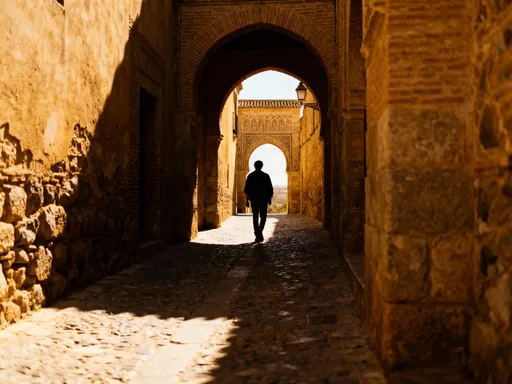
But the real discovery happens outside the fort’s walls. Driving through the narrow lanes of the old city, you pass shops selling brass lamps, hand-loomed textiles, and spices in woven baskets. And then, tucked between a tailor’s stall and a tea shop, you find a small workshop where artisans practice pietra dura—the same marble inlay technique used in the Taj. Inside, men hunch over slabs of white marble, placing tiny fragments of semi-precious stones by hand. No machines, no rush. Just patience, precision, and generations of skill.
I stopped to watch, and the master craftsman invited me in. He showed me how lapis lazuli becomes a flower, how carnelian forms a leaf. These workshops aren’t tourist attractions. They’re family businesses, often struggling to survive in a world of mass production. But they’re also repositories of heritage. And because I was driving, I could return the next day with a friend, spend hours talking, and commission a small inlaid coaster—not as a souvenir, but as a connection. This is what self-driving enables: not just sightseeing, but stewardship of culture.
The Rhythm of Daily Life: Dhabas, Bazaars, and Unplanned Detours
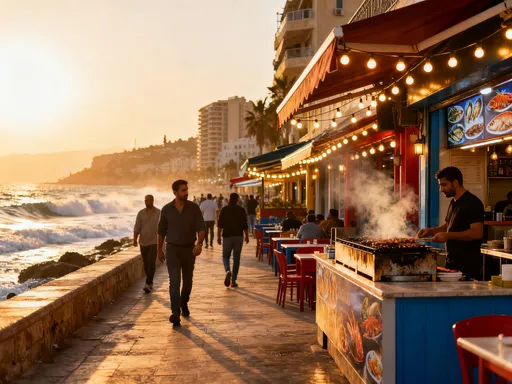
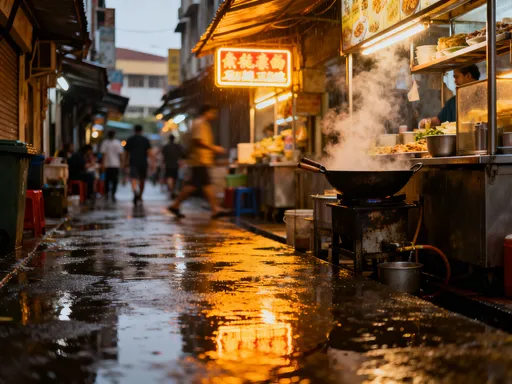
One of the greatest joys of driving through Agra is the freedom to eat like a local. Not in air-conditioned restaurants with laminated menus, but at roadside dhabas where the food is cooked fresh, served hot, and priced for the community. My favorite discovery was a small stall near the cantonment area, known only to regulars. At 7 a.m., the owner flips golden parathas stuffed with spiced potatoes, served with tangy mango pickle and a side of yogurt. The chai is thick, sweet, and poured from a height to cool it just right.
I pulled over one morning, sat on a plastic chair, and ate with my hands. A group of truck drivers nodded in approval. No English was spoken, but the smile was universal. This is the beauty of dhaba culture—it doesn’t cater to tourists. It exists for the people who move the city. And by driving, you gain access to it. You’re not an outsider looking in. You’re part of the morning routine.
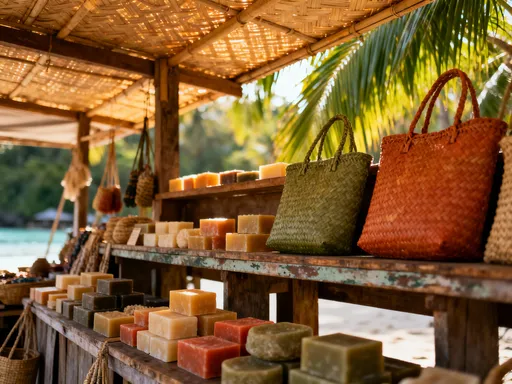
Another unplanned detour led me to Sadar Bazaar, Agra’s oldest market. I wasn’t looking for anything in particular—just trying to retrace my route—but the maze of stalls pulled me in. Saffron, cardamom, turmeric, and cumin spilled from burlap sacks. A spice vendor, noticing my interest, began explaining how his grandfather taught him to blend masalas for biryani. He even wrote down a recipe on a scrap of paper. “For your wife,” he said with a wink. It wasn’t about selling. It was about sharing.
What made these moments possible was the ability to return. On my first visit, I barely had time to absorb the market’s energy. But because I was driving, I could come back the next evening, park in the same spot, and explore deeper. I found a shop selling hand-embroidered quilts, another with vintage Bollywood posters. And at the edge of the bazaar, I discovered Mehtab Bagh again—this time at sunset, empty except for a few locals feeding pigeons. The Taj, across the river, glowed pink in the fading light. No crowds. No noise. Just peace. And I was there because I had the freedom to come back.
Challenges of the Road: Navigating Chaos with Patience and a Smile
Let’s be honest: driving in Agra isn’t for the faint of heart. The traffic is unpredictable, signage is minimal, and cows have constitutional rights to the middle of the road. At first, it’s overwhelming. Horns blare, vehicles swerve, and every intersection feels like a negotiation. But with time, you learn the rhythm. You realize that driving here isn’t about control—it’s about coexistence. You don’t fight the chaos. You flow with it.
One of the best ways to stay calm is to embrace the local soundtrack. I played a playlist of classic Bollywood songs—Rafi, Lata, Kishore Kumar—and soon, the honking felt like percussion. The music became a buffer, a reminder that this isn’t a race. It’s a journey. I also downloaded offline maps and kept my GPS running, but I learned not to rely on it too much. Sometimes, the best directions come from a wave from a policeman or a nod from a shopkeeper.
Another tip: keep your windows slightly open. It’s not just for the breeze. It’s for connection. A child might hand you a flower. A vendor might offer a sample of fresh guava. These small gestures soften the stress. And if you’re driving a manual car, consider it a blessing. In the endless stop-and-go traffic, having full control over your clutch and gear shifts gives you precision and reduces fatigue. Automatic cars can overheat; manuals let you dance with the traffic.
Most importantly, bring patience and a smile. Anger doesn’t work here. But kindness opens doors. When I got lost near the railway station, a group of students offered to guide me on their scooters. They didn’t want money. They wanted to practice English and share their city. That kind of generosity changes your perspective. It reminds you that travel isn’t about perfection. It’s about presence.
Why This Journey Stays With You: The Cultural Shift Behind the Wheel
Looking back, what stays with me isn’t just the beauty of the Taj or the grandeur of the fort. It’s the feeling of being seen. Of being offered chai by a stranger. Of dancing at a wedding I never planned to attend. Self-driving through Agra didn’t just change how I saw the city. It changed how I experienced it. I wasn’t a guest behind glass. I was a participant in its daily life.
There’s a deeper understanding that comes from this kind of travel. You begin to see India not as a collection of monuments, but as a living culture—resilient, warm, and endlessly layered. You learn that history isn’t just in books or plaques. It’s in the hands of an artisan, the voice of a street singer, the smile of a child who runs to your car just to say hello.
Self-driving isn’t just a method of transport. It’s a philosophy. It’s the choice to embrace the unplanned, to trust the road, and to let the culture find you where you least expect it. It’s about slowing down enough to notice, to connect, to remember. And in a world that’s increasingly fast and filtered, that’s a rare and precious gift.
So if you go to Agra, don’t just visit the Taj. Drive through the city. Get lost. Follow the music. Accept the invitation. Let the soul of Agra find you—not as a tourist, but as a traveler with an open heart. Because sometimes, the most unforgettable journeys begin not with a destination, but with a turn down a dusty lane where the air smells like cardamom and the future feels wide open.