You Won’t Believe These Natural Escapes in the Middle of Kuala Lumpur
You know that feeling when you think a city is all concrete and chaos—until you stumble upon green oases that take your breath away? That was me in Kuala Lumpur. Beyond the skyscrapers and street food, I discovered lush rainforests, misty highlands, and quiet trails just minutes from downtown. This isn’t just a city—it’s a gateway to nature. Let me show you how to find the real green soul of Malaysia’s capital, without any tourist traps or overhyped spots. From forest reserves wedged between office towers to misty highland retreats, Kuala Lumpur offers a surprising harmony between urban life and untouched wilderness. For travelers seeking balance, beauty, and a breath of fresh air, this city delivers in ways few expect.
Reimagining Kuala Lumpur: More Than Just a Concrete Jungle
Kuala Lumpur is often pictured as a skyline of steel and glass, where the hum of traffic never fades and the pace never slows. Yet beneath this modern image lies a city deeply rooted in natural harmony. Over 45 percent of Kuala Lumpur is covered by green spaces—a figure that includes parks, forest reserves, and even rooftop gardens integrated into high-rise buildings. This commitment to urban greenery isn’t just for aesthetics; it plays a vital role in improving air quality, reducing urban heat, and supporting mental well-being for residents and visitors alike. City planners have long recognized that sustainable urban development must include nature, not push it aside.
What makes Kuala Lumpur unique is how seamlessly it blends the natural world into daily city life. Unlike other metropolises where green spaces are scattered and hard to reach, KL ensures that forests and gardens are accessible, well-maintained, and thoughtfully designed. The city’s tree canopy, for example, provides shade along major walkways and helps lower temperatures in densely built areas. Green architecture is also on the rise, with buildings incorporating vertical gardens and open-air atriums that invite sunlight and fresh air indoors. These features don’t just look beautiful—they contribute to a healthier, more livable city.
For travelers, this means that experiencing nature doesn’t require leaving the city behind. Whether you're staying in a hotel near Bukit Bintang or exploring neighborhoods along the Klang River, green spaces are never far. The presence of these areas also reflects Malaysia’s broader environmental values, where tropical biodiversity is celebrated rather than sacrificed for development. By choosing to visit these spots, tourists support conservation efforts and gain a deeper appreciation for how cities can thrive alongside nature. In Kuala Lumpur, urban energy and ecological richness aren’t opposites—they’re partners in a balanced, forward-thinking vision.
Bukit Nanas Forest Reserve: The City’s Green Lung
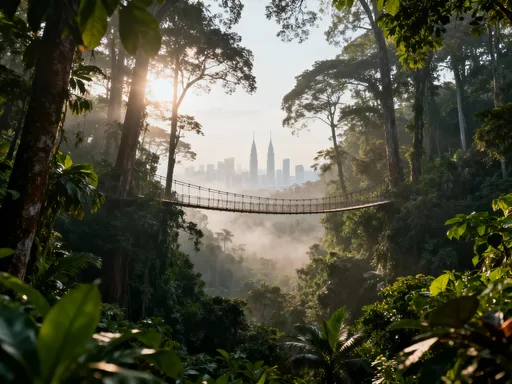
Nestled between the gleaming towers of Jalan P. Ramlee and the bustling KL Tower, Bukit Nanas Forest Reserve is a living testament to the city’s dedication to preserving its natural heritage. Spanning 13.5 hectares, this protected rainforest has stood for over a century, surviving urban expansion and remaining one of the oldest forest reserves in Malaysia. What makes it truly remarkable is its location—in the very heart of downtown, yet so quiet and immersive that you might forget you’re in a capital city. The reserve is often referred to as the city’s “green lung,” filtering air and offering a sanctuary for both wildlife and weary city dwellers.
Visitors can explore the reserve via well-maintained trails that wind through dense tropical vegetation. One of the highlights is the canopy walkway, a suspended bridge that rises above the forest floor, allowing you to walk among the treetops and observe birds, squirrels, and even monitor lizards in their natural habitat. The elevated perspective transforms the experience, making you feel like an explorer in a hidden jungle. Below, the forest floor teems with life—ferns, pitcher plants, and towering dipterocarp trees create a layered ecosystem that thrives despite surrounding development. Interpretive signs along the trail provide insights into the flora and fauna, making it both educational and engaging for families.
Access to Bukit Nanas is free, and the reserve is open daily from early morning until late afternoon. The best time to visit is between 7:00 and 9:00 a.m., when temperatures are cooler and bird activity is at its peak. It’s advisable to wear lightweight, breathable clothing and sturdy walking shoes, as some sections of the trail can be uneven. Bring water, insect repellent, and a hat to stay comfortable. While the entire loop can be completed in under two hours, many visitors choose to pause at shaded benches to soak in the sounds of rustling leaves and distant bird calls. This small but mighty forest proves that even in the busiest cities, nature can not only survive—it can flourish.
Perdana Botanical Garden: Where Nature Meets Serenity
Just a short distance from Bukit Nanas lies the expansive Perdana Botanical Garden, formerly known as the Lake Gardens. Covering over 90 hectares, this beautifully landscaped green space offers a peaceful retreat from the city’s rhythm. Designed in the late 19th century during British colonial rule, the garden has evolved into a premier destination for nature lovers, families, and photographers. Its wide pathways, serene ponds, and themed plant collections create a sense of calm that feels worlds away from the nearby traffic and shopping malls. What sets Perdana apart is its thoughtful layout—each section invites exploration while maintaining a cohesive, harmonious flow.
The garden features several specialized zones, each with its own charm. The Orchid Garden is one of the most popular, showcasing over 800 species of these delicate blooms in vibrant colors and intricate patterns. Nearby, the Hibiscus Garden pays tribute to Malaysia’s national flower, with varieties ranging from deep red to soft pink and yellow. Other sections include a fern house, a cactus garden, and a spice garden that engages the senses with aromatic herbs and plants used in traditional cooking. Benches and shaded gazebos are strategically placed, offering quiet spots for reflection or a peaceful break during a long walk.
Perdana Botanical Garden is especially welcoming to families, with open lawns perfect for children to run and play. Early mornings are ideal for visitors who enjoy walking or light exercise, as the air is fresh and the sunlight filters gently through the trees. Guided tours are occasionally available, providing deeper insights into the garden’s history and plant conservation efforts. For those interested in photography, the lotus pond at sunrise offers stunning reflections, while the floral arches provide picture-perfect backdrops. The garden is easily accessible by public transport, and its proximity to other attractions makes it a natural stop on any city itinerary. With its blend of beauty, accessibility, and tranquility, Perdana Botanical Garden stands as a model of how urban parks can enhance quality of life.
Escape to the Highlands: Nature Just a Few Hours Away
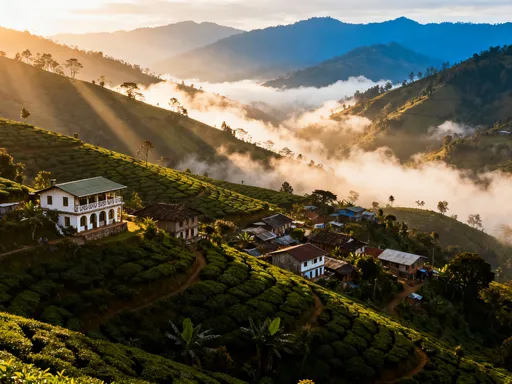
While Kuala Lumpur’s in-city green spaces are impressive, some of the most breathtaking natural experiences are found just beyond its borders. Within a two- to three-hour drive, travelers can reach cool, misty highlands where tea plantations stretch across rolling hills and walking trails lead through pine-scented forests. The Cameron Highlands and Genting Highlands are two of the most accessible mountain destinations, each offering a distinct flavor of highland charm. These escapes provide a refreshing contrast to the city’s tropical heat and deliver a slower, more contemplative pace of travel.
The Cameron Highlands, located about 200 kilometers northwest of KL, is renowned for its tea estates, strawberry farms, and lush rainforest trails. The temperature here averages between 15°C and 25°C, making it a favorite retreat for locals and tourists seeking relief from the lowland humidity. Visitors can tour working tea plantations, learn about the tea-making process, and enjoy fresh brews with panoramic views. Nature trails like the Robinson Waterfall hike and Mossy Forest boardwalk offer immersive forest experiences, where fog-draped trees and moss-covered branches create an almost magical atmosphere. While weekends can be busy, arriving early in the day allows for quieter exploration and better photo opportunities.
Genting Highlands, closer to Kuala Lumpur at just over an hour’s drive, is known for its entertainment options but also offers access to nature. Beyond the hotels and attractions, visitors can explore the Genting Sempah area, where cool breezes and scenic viewpoints make for a pleasant day trip. The First World Skytropolis, while commercial, includes indoor gardens and walking paths with views of the surrounding mountains. For those seeking a quieter experience, nearby trails like the Batu Caves Jungle Trail provide a taste of forest hiking without venturing too far. Both highlands are reachable by private car, tour bus, or intercity shuttle, making them convenient additions to a Kuala Lumpur itinerary. Packing a light jacket is essential, as temperatures drop noticeably at higher elevations.
Taman Negara National Park: The Ultimate Jungle Adventure
For travelers ready to immerse themselves in one of the world’s oldest rainforests, Taman Negara National Park is an unparalleled destination. Located approximately three hours from Kuala Lumpur by road and river, this vast protected area spans over 4,300 square kilometers and is home to an extraordinary range of wildlife, including elephants, tigers, and hornbills. While it requires more planning than a city park visit, the journey to Taman Negara is part of the adventure—a transition from urban life to primal wilderness that feels like stepping into another world.
One of the park’s most iconic experiences is the canopy walkway, a 530-meter suspension bridge that floats above the forest canopy. Walking across it offers breathtaking views of the treetops and a rare perspective on jungle life. Below, the forest hums with activity—insects, birds, and primates move through the understory, while rivers teem with fish and otters. Guided night walks are another highlight, allowing visitors to spot nocturnal creatures like civets, frogs, and fireflies. River cruises along the Tembeling River provide a chance to see monitor lizards sunning on rocks and perhaps even catch a glimpse of a fishing cat in the distance.
Reaching Taman Negara typically involves taking a bus from Kuala Lumpur to Kuala Tahan, followed by a boat ride across the river to the park entrance. Entry permits are required and can be arranged in advance or upon arrival. Most visitors choose to stay in eco-lodges or basic chalets within the park, which offer comfortable accommodations with minimal environmental impact. While the park welcomes travelers of all ages, some activities require a moderate level of fitness, particularly jungle trekking and river crossings. Proper hiking shoes, insect protection, and rain gear are essential. Despite the effort, the rewards are immense—a deep connection to nature, the sound of the rainforest at dawn, and the quiet pride of having ventured into one of Earth’s most ancient ecosystems.
Hidden Gems: Off-the-Beaten-Path Nature Spots
While the major parks and reserves draw well-deserved attention, some of the most rewarding nature experiences in the Kuala Lumpur region come from lesser-known destinations. These hidden gems offer solitude, rich biodiversity, and a chance to connect with nature without the crowds. FRIM (Forest Research Institute Malaysia) in Kepong is one such place. Though not widely marketed to tourists, it features an interpretive forest trail that winds through experimental plantations and conservation zones. The canopy walkway here is longer than Bukit Nanas’ and sits within a research-focused environment, making it both scenic and educational.
Another quiet retreat is the Ampang Recreational Forest, located just 15 kilometers from the city center. This forest reserve follows the course of the Ampang River and includes a series of cascading waterfalls that are perfect for cooling off on a hot day. The main trail leads to Lubuk Tampal, where smooth rock pools invite visitors to wade and relax. Because it’s less known to international tourists, the area remains peaceful, especially on weekday mornings. Local families often come here for weekend picnics, respecting the natural environment by carrying out all waste and keeping noise levels low.
When visiting these off-the-beaten-path locations, it’s important to come prepared. Wear closed-toe shoes with good grip, as trails can be slippery after rain. Bring plenty of water, as facilities are limited. Respect local customs by dressing modestly and avoiding loud behavior. These sites are maintained through community and government efforts, so leaving no trace is crucial. By choosing to explore quieter spots, travelers not only enjoy a more personal experience but also help reduce pressure on popular destinations. These hidden forests and streams remind us that nature’s beauty doesn’t always need a spotlight—sometimes, it’s best discovered in stillness and silence.
Practical Tips for Experiencing Nature in Kuala Lumpur
Planning a nature-focused visit to Kuala Lumpur doesn’t require expert knowledge, but a few practical tips can make the experience safer, more comfortable, and more rewarding. The best time to visit is during the dry season, which typically runs from March to October. During these months, rainfall is less frequent, trails are drier, and visibility in the forests is better. Early mornings are ideal for outdoor activities, as temperatures are cooler and wildlife is more active. Avoid midday hikes when the sun is strongest, especially in open or elevated areas.
Packing the right essentials makes a big difference. A wide-brimmed hat, lightweight long-sleeved clothing, and biodegradable insect repellent help protect against sun and mosquitoes. A reusable water bottle is not only eco-friendly but also practical, as hydration is key in the tropical climate. Comfortable walking shoes with good traction are essential for trails, particularly those that may be muddy or uneven. A small backpack can carry snacks, sunscreen, and a rain poncho, which is useful during sudden tropical showers.
Getting around is easier than many expect. Kuala Lumpur has a reliable public transportation system, including buses and the LRT, that connect to major parks and trailheads. Ride-hailing apps like Grab are widely used and can take you directly to entrances or nearby drop-off points. For destinations outside the city, intercity buses and shared shuttles offer affordable and safe options. When in doubt, local tourist information centers can provide up-to-date advice on routes and conditions.
Finally, always respect conservation rules. Stay on marked trails to protect plant life and avoid disturbing animals. Do not feed wildlife or remove plants, and carry out all trash. Many of these areas are protected for future generations, and responsible behavior ensures they remain pristine. By following these guidelines, travelers contribute to the sustainability of Malaysia’s natural treasures while enjoying authentic, meaningful experiences.
Kuala Lumpur challenges the typical city-escape narrative. It proves you don’t have to choose between urban energy and natural beauty—they can coexist. By exploring its forests, gardens, and nearby highlands, travelers gain a deeper connection not only to Malaysia’s landscape but also to its commitment to balance and sustainability. The real magic? These experiences are within reach for anyone willing to look beyond the skyline. So next time you’re planning a city break, ask yourself: why not make it green?