You Won’t Believe What Adelaide’s Art Festivals Are Hiding
Adelaide pulses with creativity, especially when the festivals hit. I’ve wandered its streets during peak art season, and honestly, it’s like stepping into a living gallery. From open-air murals to underground performances, the city transforms. If you love art that breathes and moves, this is your playground. I’ll show you how festival culture here isn’t just about watching—it’s about feeling, joining, and remembering. The air hums with anticipation, every corner holds a surprise, and the rhythm of daily life gives way to something more vibrant. This isn’t just entertainment; it’s an invitation to rediscover what art can be when it spills out of galleries and into the heart of the city.
The Heartbeat of a Creative City
Adelaide has long been recognized as one of Australia’s most artistically inclined cities, not by accident, but by design. Nestled between rolling hills and coastline, the city’s compact layout fosters a sense of connection—between people, places, and ideas. Unlike sprawling metropolises where culture can feel distant or exclusive, Adelaide’s size allows for intimacy. Its walkable grid, tree-lined avenues, and abundant public spaces create the perfect conditions for art to flourish in plain sight. The city’s cultural identity isn’t confined to museums or concert halls; it’s embedded in the rhythm of everyday life, from buskers on Rundle Mall to poetry readings in quiet park corners.
What sets Adelaide apart is its year-round commitment to the arts. While many cities treat culture as a seasonal affair, Adelaide nurtures it as a constant. The South Australian government, along with local councils and private sponsors, invests in public art programs, artist residencies, and community workshops. This sustained support means that when major festivals arrive, they don’t feel like isolated events—they’re the culmination of a city already tuned to creativity. The result is a cultural ecosystem where emerging artists find space to experiment, and audiences feel personally invested in what unfolds.
Moreover, the city’s manageable scale enhances the festival experience. In larger capitals, attendees can feel like passive observers, lost in crowds or overwhelmed by logistics. In Adelaide, the opposite is true. You’re more likely to strike up a conversation with a performer after a show, bump into the same friendly face at three different venues, or discover a hidden performance space tucked behind a bookstore. This closeness fosters a sense of belonging, making the festivals not just something to attend, but something to be part of. It’s this blend of accessibility, intention, and warmth that gives Adelaide’s art scene its unique heartbeat.
Adelaide Fringe: Chaos, Color, and Creative Freedom
Every February and March, Adelaide undergoes a transformation unlike any other in the Southern Hemisphere—the Adelaide Fringe takes over. As the largest open-access arts festival in the region, it defies traditional boundaries of performance and space. With thousands of artists from across Australia and beyond, the Fringe turns the entire city into a stage. Warehouses become cabaret lounges, parking lots morph into open-air cinemas, and even laundromats host comedy sets. There’s no central venue, no single narrative—just an explosion of creativity that spills into every available corner.
What makes the Fringe truly special is its open-access philosophy. Unlike curated festivals that rely on selection panels, the Fringe welcomes anyone with a story to tell and a space to perform. This democratic approach ensures diversity in both content and creators. You’ll find professional theater troupes alongside first-time performers testing material, experimental dance pieces next to nostalgic magic shows. The unpredictability is part of the charm. One moment you might be watching a high-energy circus act under fairy lights in a pop-up tent; the next, you could stumble upon a one-person opera sung from a balcony in a quiet residential street.
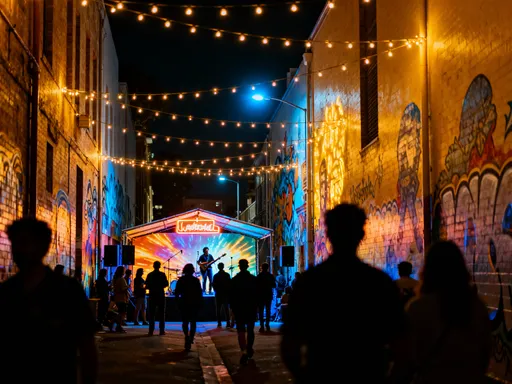
The festival’s energy is infectious. Rundle Street glows with neon signs advertising shows, while chalk art covers footpaths and musicians fill laneways with sound. The atmosphere is celebratory, inclusive, and refreshingly unpretentious. Families, couples, and solo travelers alike wander from venue to venue, guided more by curiosity than schedules. And because so many events are free or low-cost, the arts feel accessible to everyone, not just those who can afford premium tickets. This spirit of creative freedom—where risk is encouraged and originality rewarded—has made the Fringe a launching pad for countless careers. Acts that began in tiny Adelaide venues have gone on to international acclaim, proving that big dreams often start in small, unexpected places.
The Adelaide Festival: Where Global Meets Local
Running alongside the Fringe but operating with a different rhythm is the Adelaide Festival, a curated celebration of world-class performance and visual art. While the Fringe thrives on spontaneity, the Adelaide Festival is meticulously programmed, bringing internationally acclaimed artists and cutting-edge productions to South Australia. It’s a space where global innovation meets local talent, creating a dynamic dialogue between cultures and artistic traditions. Past editions have featured everything from large-scale outdoor light installations to intimate chamber music performances in historic churches.
One of the festival’s defining characteristics is its use of public space. Rather than confining performances to traditional theaters, organizers transform parks, plazas, and even abandoned buildings into immersive art zones. In recent years, Elder Park has hosted open-air orchestral concerts under the stars, while light projections have turned the façade of the State Library into a moving canvas. These interventions invite people who might not typically attend formal arts events to engage with high-caliber work in relaxed, welcoming settings. The effect is powerful—art becomes part of the city’s fabric, not something separated from daily life.
Equally important is the festival’s commitment to Australian voices. While international acts draw attention, a significant portion of the program is dedicated to homegrown talent. Indigenous artists, in particular, have been given prominent platforms to share stories through dance, music, and visual media. This balance ensures that the festival doesn’t feel like a cultural import, but rather a genuine exchange. It also provides local artists with rare opportunities to collaborate with global peers, learn new techniques, and gain exposure to wider audiences. The Adelaide Festival, in this way, acts as both a mirror and a window—reflecting the nation’s creative spirit while offering glimpses of what’s possible beyond its shores.
Urban Canvas: Street Art and Public Installations
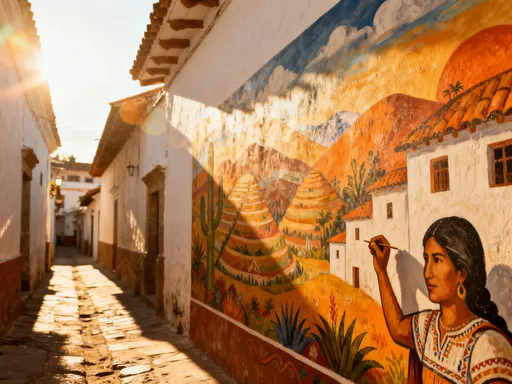
Even outside festival season, Adelaide’s streets tell stories—through color, texture, and bold visual statements. During the festival months, this urban canvas comes alive in extraordinary ways. Laneways that are quiet during the week burst with murals, sculptures, and interactive installations. Topham Mall, once an overlooked passage, is now a rotating gallery of street art, where local and visiting artists leave their mark. Hindley Street, long associated with nightlife, has become a corridor of creativity, with large-scale works transforming blank walls into conversation starters.
The city’s approach to street art is both strategic and supportive. Rather than treating graffiti as vandalism, Adelaide has embraced legal, commissioned murals as a way to revitalize neighborhoods and celebrate identity. The City of Adelaide, in partnership with arts organizations, regularly commissions works that reflect community values, historical themes, or environmental messages. These pieces are not temporary—they’re maintained, celebrated, and often become landmarks in their own right. A mural depicting native flora and fauna in Light Square, for instance, has become a favorite backdrop for photos and a point of local pride.
During festival time, the energy intensifies. Artists work in real time, painting live in public spaces while audiences watch the creation unfold. Some installations are augmented with digital elements—QR codes that unlock audio stories, or augmented reality features that bring static images to life. Others invite physical interaction, like sound sculptures that respond to movement or mazes made of recycled materials. These works do more than decorate; they invite participation, spark curiosity, and turn passive observers into active contributors. In a world where so much art is viewed through screens, Adelaide’s street art reminds us of the power of presence—of standing in front of something made by human hands, in real time, in shared space.
Behind the Scenes: How Artists Shape the City’s Pulse
While audiences enjoy the spectacle, thousands of artists, technicians, and volunteers work tirelessly behind the scenes to make the festivals possible. Their stories are often the most compelling. Many are local residents who spend months preparing—writing scripts, rehearsing, building sets, or designing costumes. For some, the festivals represent a rare chance to earn income from their craft. For others, it’s about validation—that moment when a stranger stops to listen, laugh, or cry in response to their work.
Take the case of a ceramicist from Norwood who transformed her garage into a pop-up gallery during the Fringe. With no prior sales experience, she displayed her pieces alongside spoken word poetry and live music. Over three weekends, she connected with dozens of buyers, received feedback from fellow artists, and gained confidence in her voice. Or consider a young dancer from Elizabeth who joined a community performance group and debuted an original piece at a fringe venue. The experience led to training opportunities and mentorship from established choreographers.
These personal transformations are mirrored on a larger scale. Festivals generate significant economic activity, supporting hospitality, transportation, and retail sectors. But more importantly, they strengthen social fabric. Volunteers from diverse backgrounds come together with a shared purpose. Local businesses open their doors to performers, offering space in exchange for energy and foot traffic. Schools host workshops, and libraries become creative hubs. The festivals, in essence, activate the entire city—not just as a backdrop, but as a participant. This collective effort reinforces the idea that art isn’t a luxury; it’s a vital thread in the community’s well-being.
Planning Your Visit: Timing, Tickets, and Hidden Gems
For those considering a visit, timing is everything. The peak festival season runs from late February through early March, when both the Adelaide Fringe and the Adelaide Festival are in full swing. Booking accommodations several months in advance is advisable, as hotels and guesthouses fill quickly. Options range from boutique stays in the city center to homestays in leafy suburbs like Glenelg or Unley, each offering a different slice of local life.
Navigating the events doesn’t have to be overwhelming. The official Adelaide Fringe and Adelaide Festival websites offer comprehensive guides, including maps, show listings, and user reviews. The mobile apps are particularly useful, allowing real-time updates, ticket purchases, and personalized recommendations based on interests. To avoid missing out on popular performances, it’s wise to book tickets early—especially for theater, dance, and music events. That said, part of the joy lies in spontaneity. Leaving room in your schedule for unannounced pop-ups, free street performances, or last-minute discoveries can lead to the most memorable moments.
While the main hubs like Rundle Street and North Terrace draw the biggest crowds, some of the most rewarding experiences are found off the beaten path. Consider exploring the West End, where independent galleries and studio spaces open their doors during festival season. The Botanic Gardens often host outdoor installations and quiet performances, perfect for a reflective pause. For families, the Adelaide Showground becomes a lively destination with interactive art zones, workshops, and food trucks offering local flavors. And don’t overlook the smaller suburbs—places like Prospect or Henley Beach host community-driven events that capture the grassroots spirit of the festivals.
Practical tips can enhance the experience. Wear comfortable shoes—there’s a lot of walking. Bring a reusable water bottle, as hydration stations are available throughout the city. Many venues are accessible by public transport, and the Adelaide Metro network offers special event services during peak days. Most importantly, approach the festivals with an open mind. You don’t need to be an art expert to appreciate what’s on offer. Curiosity is the only requirement.
Why Festival Culture Matters Beyond the Fun
The magic of Adelaide’s festivals extends far beyond entertainment. At their core, they represent a powerful model of how cities can thrive through creativity. They demonstrate that culture isn’t just something to be consumed—it’s something to be co-created. When art is accessible, inclusive, and embedded in public life, it fosters connection, encourages empathy, and inspires innovation. Residents and visitors alike leave with more than memories; they carry a renewed sense of possibility.
These festivals also challenge the notion that economic success and cultural vitality are separate goals. In Adelaide, they go hand in hand. The influx of visitors boosts local businesses, supports jobs, and enhances the city’s global reputation. But the deeper impact is emotional and social. People feel seen, heard, and valued. Artists gain confidence and opportunity. Communities come together around shared experiences that transcend age, background, or belief.
Perhaps most importantly, Adelaide’s festival culture offers a vision of what urban life can be—vibrant, human-centered, and alive with meaning. In a world where cities often prioritize efficiency over expression, Adelaide chooses to celebrate the messy, joyful, unpredictable nature of art. It reminds us that creativity isn’t a distraction from real life; it is real life, at its most authentic.
So come not just to watch, but to participate. Let yourself be surprised by a song in a laneway, moved by a mural, or inspired by a story told on a makeshift stage. Let Adelaide’s festivals remind you that art isn’t confined to frames or stages—it’s all around us, waiting to be felt, shared, and lived.