Why My Hair Finally Started Growing Again – A Beginner’s Journey
For years, I struggled with thinning hair and endless bad advice. I tried everything—gummy vitamins, fancy shampoos, you name it. Nothing worked. Then I shifted my focus from quick fixes to real scalp rehabilitation. It wasn’t magic, just consistent, science-backed care. I learned that hair growth isn’t about one product, but daily habits and patience. This is what actually helped me. What began as a quiet frustration turned into a journey of discovery, resilience, and self-compassion. And while the results didn’t appear overnight, they were lasting—because they were built on understanding, not illusion.
The Hair Wake-Up Call: When I Realized Something Was Wrong
It started subtly—more hair on the brush than usual, a widening part, a hesitant glance in the mirror. At first, I dismissed it as stress or aging. But over months, the change became undeniable. I was losing hair at a rate that no hat or hairstyle could comfortably hide. The emotional toll was deeper than I expected. Confidence, once automatic, now felt fragile. I avoided updos. I worried about windy days. I began to feel invisible in ways I hadn’t before.
Like many beginners, I believed the myths: that hair loss was only genetic, that it only affected older people, or that one expensive serum could reverse everything. I assumed that because I wasn’t balding dramatically, my situation wasn’t serious. I also thought that if a product claimed to be 'clinically proven,' it must work for everyone. These misconceptions delayed my progress. They kept me chasing solutions that treated symptoms, not causes.
The truth is, hair thinning is rarely about one single factor. It’s often a signal—your body’s quiet way of saying something is off. For me, it was a combination of chronic stress, nutritional gaps, and years of harsh styling. The quick fixes I tried—thickening sprays, collagen supplements, overnight masks—offered temporary visual tricks but did nothing to address the root. In fact, some products overloaded my scalp with silicones and sulfates, worsening irritation and clogging follicles. I realized that real change wouldn’t come from a bottle on a shelf, but from a shift in mindset.
Understanding Hair Health: What No One Told Me as a Beginner
One of the most empowering moments in my journey was learning how hair actually grows. Before then, I thought of it as static—as something that either grew or didn’t, like grass. But hair has a life cycle, just like skin or nails. It goes through phases: the growth phase (anagen), the transition phase (catagen), and the resting phase (telogen), after which the strand sheds and a new one begins. A healthy scalp keeps most follicles in the anagen phase for years. But when disrupted—by stress, illness, or poor nutrition—more follicles shift into shedding mode.
What I didn’t understand at first was the difference between hair damage and hair loss. Damaged hair is broken, split, or brittle—often due to heat styling, coloring, or friction. It might look thin, but the follicle is still active. True hair loss, however, happens when follicles shrink or go dormant. This is where real rehabilitation begins. Without knowing this distinction, I wasted months trying to 'strengthen' hair that wasn’t breaking—it was simply not being replaced.
Lifestyle plays a massive role in this cycle. Chronic stress elevates cortisol, which can shorten the anagen phase. Poor sleep disrupts hormone balance, affecting growth signals. Even posture matters—slouching for long periods can reduce blood flow to the scalp, depriving follicles of oxygen and nutrients. These aren’t dramatic causes, but their cumulative effect is real. I began to see my hair not as a cosmetic feature, but as a barometer of my overall health.
Rehabilitation vs. Hype: Rethinking Hair Care from the Ground Up
Once I accepted that my hair needed healing, not hiding, I started to rethink my entire approach. I began calling it 'hair rehabilitation'—a term that felt more accurate than 'hair care.' Rehabilitation implies repair, recovery, and time. It’s not about covering up thin spots with volumizing powder, but about creating the conditions for regrowth. This shift in language changed my expectations. I stopped looking for miracles and started looking for progress.
Treating the scalp, I learned, is similar to training a muscle. You don’t build strength with one intense workout. You build it with consistency, proper recovery, and gradual effort. The same is true for follicles. Daily scalp massage, for example, doesn’t regrow hair overnight. But over weeks, it improves circulation, reduces tension, and supports a healthier environment for growth. I stopped expecting immediate results and started valuing routine as its own reward.
I also had to unlearn the idea that more is better. The beauty industry often promotes layered routines: cleanser, toner, serum, oil, mask. But for a sensitive or compromised scalp, this can be overwhelming. I simplified. I focused on gentle, non-irritating products. I eliminated sulfates, parabens, and synthetic fragrances. I gave my scalp time to rebalance. This minimalism wasn’t a compromise—it was a form of respect.
My First Steps: Building a Realistic Beginner Routine
Starting small was key. I knew I wouldn’t stick to a 10-step regimen, especially on tired evenings. So I built a foundation: cleanse, stimulate, protect. I chose a mild, sulfate-free shampoo that cleaned without stripping natural oils. I washed every other day instead of daily, allowing the scalp to maintain its protective barrier. I avoided hot water, which can dry and irritate, and rinsed with lukewarm water instead.
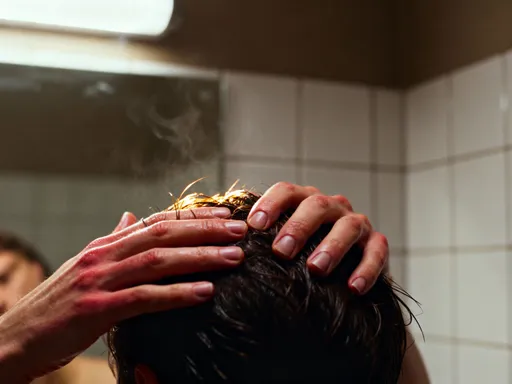
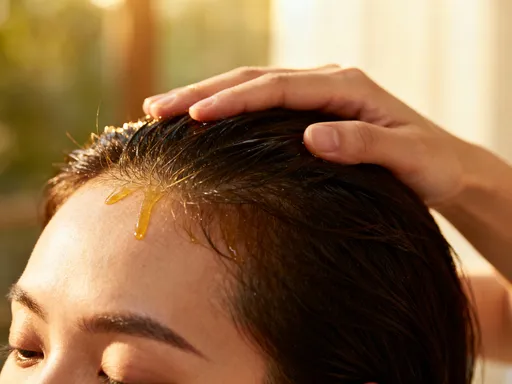
Scalp massage became a non-negotiable part of my routine. I used my fingertips—never nails—to apply light, circular pressure along the hairline, crown, and nape. I did this for five minutes, either before washing or before bed. It felt soothing, almost meditative. Over time, I noticed less tightness and fewer itchy patches. Research supports this: regular massage can increase blood flow and may even stimulate follicle activity, though it’s not a standalone cure.
I also upgraded my tools. I switched to a soft-bristled brush made of natural boar bristles, which distributes scalp oils gently and reduces breakage. I replaced my cotton pillowcase with a silk one, which creates less friction during sleep. These changes seemed minor, but they reduced daily stress on fragile strands. I also stopped tight hairstyles—ponytails, buns, braids—that pulled on the roots. Instead, I wore my hair loose or in loose, low styles. These small shifts added up.
Daily Habits That Made a Difference: Beyond the Bathroom Shelf
As I deepened my understanding, I realized that hair health extends far beyond topical care. Sleep, for instance, is a silent architect of regeneration. During deep sleep, the body repairs tissues, balances hormones, and supports cellular turnover—including in hair follicles. I had been sleeping only 5 or 6 hours a night, often interrupted. I committed to better sleep hygiene: a consistent bedtime, no screens an hour before sleep, and a cool, dark room. Within weeks, I felt more rested—and noticed fewer hairs on my pillow.
Hydration and diet also played a crucial role. I wasn’t dehydrated, but I wasn’t drinking enough water to support optimal cellular function. I started carrying a reusable bottle and aimed for at least eight glasses a day. I also evaluated my diet. I wasn’t deficient in protein, but I lacked variety in micronutrients. I increased my intake of iron-rich foods like lentils and spinach, added more omega-3s from walnuts and flaxseeds, and made sure I was getting enough zinc and vitamin D. I didn’t rely on supplements unless advised by a healthcare provider—whole foods are more effective and safer in the long run.
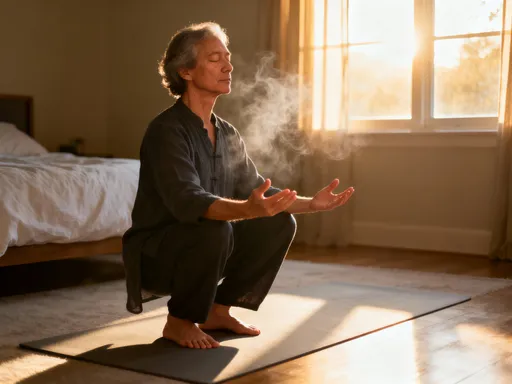
Stress management became a cornerstone. I started with simple mindfulness: five minutes of deep breathing each morning, focusing on my breath and letting thoughts pass. I also incorporated gentle movement—daily walks, stretching, or restorative yoga. These weren’t intense workouts, but they helped regulate my nervous system. I noticed that on days I moved and breathed intentionally, my scalp felt less tense. There’s a real connection between emotional well-being and physical health, and my hair was reflecting that balance.
Tracking Progress: Learning to See Small Wins
In the beginning, I checked the mirror daily, hoping for visible growth. When I didn’t see it, I felt discouraged. Then I learned to track differently. I started taking monthly photos under the same lighting, from the same angles. At first, the changes were invisible. But by month three, I noticed more baby hairs along my hairline. By month six, my part looked slightly narrower. These weren’t dramatic transformations, but they were real.
I also paid attention to texture. New growth often feels finer and softer at first. I began to recognize the difference between shed hair and new growth. I celebrated small milestones: the first time I didn’t need a headband to feel confident, the day I wore my hair up without worrying about thinning spots. These moments reminded me that progress isn’t always visible—it’s also felt.
Tracking taught me patience. There were times—especially in the fall—when shedding increased. I used to panic, thinking I’d lost ground. But I learned that seasonal shedding is normal. It’s part of the cycle. Instead of changing my routine every time, I learned to wait, observe, and trust the process. Adjustments were made only when patterns persisted, not in reaction to temporary fluctuations.
Staying on Track: Keeping Motivation Alive Without Perfection
No journey is linear. There were weeks when stress spiked, sleep suffered, and I skipped my routine. I used to see these lapses as failures. But over time, I reframed them. A missed day wasn’t a collapse—it was human. What mattered was returning, without guilt. I built flexibility into my habit loop: if I couldn’t do a full scalp massage, I’d do two minutes. If I ate poorly one day, I’d nourish myself well the next.
I stopped aiming for perfection and started aiming for consistency. I tied my routine to existing habits—like brushing my teeth or winding down at night—so it became automatic. I also found quiet joy in the ritual itself. Massaging my scalp, feeling the cool silk pillowcase, choosing gentle products—these acts became forms of self-respect. They reminded me that care isn’t selfish. It’s necessary.
Motivation ebbed and flowed, but purpose kept me going. This journey wasn’t just about thicker hair. It was about listening to my body, honoring its signals, and responding with kindness. It became a practice in patience, in showing up even when results weren’t immediate. And that mindset—of gentle persistence—has stayed with me, far beyond the mirror.
Hair rehabilitation isn’t about dramatic transformations overnight. It’s about showing up consistently, listening to your body, and respecting the process. What started as frustration became a lesson in patience and self-awareness. Your hair can recover—but it asks for care, not cover-up. And that’s a mindset worth keeping.