What I Wish I Knew Earlier About Blood Pressure Rehab
High blood pressure isn’t just a number on a screen—it’s a daily reality that demands real lifestyle shifts. I used to think medication was enough, but without proper rehabilitation training, progress stalled. Many people unknowingly make mistakes that slow their improvement. This article explores common pitfalls in blood pressure management and how smarter, science-backed rehab strategies can lead to meaningful, lasting change—no hype, just honest insights worth sharing.
The Hidden Struggle Behind the Numbers
High blood pressure, or hypertension, is more than a clinical diagnosis—it is a signal that the body’s circulatory system is under constant strain. When blood pushes against artery walls with excessive force over time, it can damage the delicate tissues within, setting the stage for serious complications such as heart disease, stroke, and kidney dysfunction. Yet, one of the most dangerous aspects of hypertension is its silence. Most individuals experience no noticeable symptoms, even as internal damage accumulates over years. This is why it is often referred to as a “silent killer.” The absence of pain or discomfort leads many to underestimate its urgency, assuming that as long as they feel fine, no action is needed.
This false sense of security is reinforced by a common misconception: that taking prescribed medication is sufficient to manage the condition. While antihypertensive drugs play a crucial role for many, they are not a standalone solution. Relying solely on medication without addressing underlying lifestyle factors is like bailing water out of a sinking boat without patching the hole. Physical inactivity, poor dietary habits, chronic stress, and disrupted sleep all contribute to elevated blood pressure. When these elements remain unchanged, even the most effective medication may struggle to achieve optimal control. The body responds best when medical treatment is paired with intentional, daily choices that support cardiovascular health.
Another widespread misunderstanding is the belief that blood pressure management is only necessary after a major health event, such as a heart attack or stroke. In reality, early intervention is far more effective than waiting for crisis to strike. Hypertension often develops gradually, influenced by years of sedentary behavior, high sodium intake, and emotional strain. By the time a diagnosis is made, the condition may already have been present for a decade or more. Recognizing this timeline underscores the importance of proactive care. Blood pressure rehabilitation is not about reacting to emergencies—it is about reshaping daily routines to prevent them from occurring in the first place. The shift from passive patient to active participant in one’s health journey begins with awareness: this condition requires consistent attention, not occasional fixes.
Why Rehabilitation Training Is More Than Just Exercise
When the term “rehabilitation” is mentioned, many envision structured programs designed for recovery after a heart attack or cardiac surgery. While those are vital applications, rehabilitation for high blood pressure extends beyond acute medical events. It encompasses a broader, preventive approach aimed at restoring and maintaining vascular health through coordinated lifestyle adjustments. At its core, blood pressure rehabilitation includes more than physical activity—it integrates movement, emotional regulation, sleep hygiene, and behavioral consistency into a unified strategy. The goal is not short-term symptom relief but long-term physiological resilience.
Physical activity is a cornerstone of this process, but it is not defined by intensity or athletic performance. Effective rehabilitation focuses on regular, low-to-moderate intensity movement that can be sustained over time. Activities such as walking, cycling, swimming, or even household chores like gardening or mopping contribute meaningfully to cardiovascular function. These movements improve endothelial function—the health of the inner lining of blood vessels—and enhance the arteries’ ability to dilate and contract efficiently. Over time, this leads to reduced peripheral resistance, one of the key factors in lowering blood pressure.
Unlike crash fitness regimens that promise rapid results, rehabilitation prioritizes routine over rigor. The human body responds best to consistency. A daily 20- to 30-minute walk, performed five or six days a week, yields more sustainable benefits than sporadic high-intensity workouts followed by days of inactivity. This approach reduces the risk of injury, prevents burnout, and supports long-term adherence. Moreover, regular movement helps regulate insulin sensitivity, manage body weight, and reduce systemic inflammation—all of which are interconnected with blood pressure control.
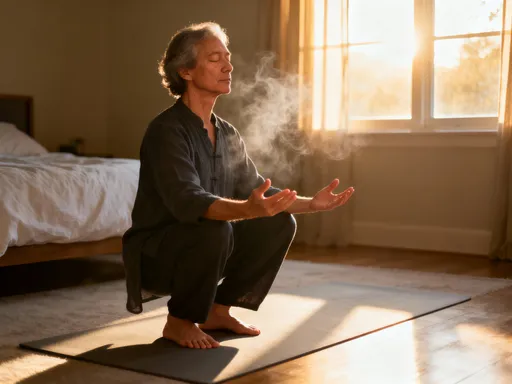
Beyond physical exertion, rehabilitation includes stress management techniques such as guided relaxation, mindfulness, and breath regulation. These practices are not secondary add-ons but essential components of vascular health. Chronic stress activates the sympathetic nervous system, leading to sustained increases in heart rate and vasoconstriction. By incorporating deliberate calming practices into daily life, individuals can counteract this overactivation and promote parasympathetic dominance—the state in which the body repairs and restores itself. In this way, blood pressure rehabilitation becomes a holistic practice, addressing both the physical and emotional drivers of hypertension.
Pitfall #1: Treating Symptoms, Not the System
One of the most common missteps in managing high blood pressure is focusing exclusively on lowering the numbers without examining the broader system that influences them. Many people adopt a narrow view: if the reading on the monitor is high, the solution must be medication or a single behavioral change, such as cutting out salt. While these actions are important, they are insufficient when isolated. Hypertension is rarely caused by one single factor; it is typically the result of multiple interrelated lifestyle patterns that have developed over time. Addressing only one aspect—such as diet or exercise—while neglecting others like sleep quality, emotional stress, or sedentary behavior—limits the potential for meaningful improvement.
For example, someone may begin walking every morning but continue to sleep only five hours a night, work in a high-stress environment, and consume processed foods regularly. In this scenario, the positive effects of exercise may be undermined by the negative impact of poor sleep and chronic stress. Research consistently shows that integrated approaches—those that combine physical activity, nutrition, stress reduction, and behavioral support—are significantly more effective than single-intervention strategies. A study published in the Journal of the American Heart Association found that participants who engaged in comprehensive lifestyle programs experienced greater reductions in systolic blood pressure compared to those who focused on diet or exercise alone.
The body functions as an interconnected network, and lasting change requires a systems-based approach. Instead of pursuing drastic, short-lived overhauls—such as extreme diets or intense workout schedules—individuals benefit more from small, cumulative adjustments. These might include adding one serving of vegetables to each meal, replacing sugary drinks with water, taking short walking breaks during the workday, or establishing a consistent bedtime. Each change may seem minor in isolation, but together, they create a supportive environment for cardiovascular health. The key is sustainability: habits that can be maintained over months and years are more valuable than dramatic efforts that fade within weeks.
Another consequence of treating symptoms rather than the system is the tendency to view progress in binary terms—either success or failure. When blood pressure fluctuates, some may feel discouraged and abandon their efforts altogether. However, rehabilitation is not about achieving perfection. It is about creating a resilient foundation through consistent, informed choices. By shifting focus from immediate results to long-term patterns, individuals can build a more durable and adaptive approach to health. This mindset reduces frustration and increases the likelihood of adherence, ultimately leading to more stable blood pressure levels over time.
Pitfall #2: Overestimating Intensity, Underestimating Consistency
A persistent myth in health and fitness is that only intense, vigorous exercise produces real results. Many people believe that unless they are sweating heavily, breathing hard, or feeling muscle fatigue, their efforts do not count. This belief can be particularly discouraging for those managing high blood pressure, who may fear that exercise will strain their heart or elevate their numbers further. As a result, some avoid physical activity altogether, while others attempt high-intensity routines that quickly become unsustainable. The truth is that moderate, consistent movement is not only safer for most individuals with hypertension—it is also more effective in the long run.
Brisk walking, for instance, has been shown in numerous studies to lower both systolic and diastolic blood pressure. A meta-analysis of 65 randomized controlled trials concluded that aerobic exercise, particularly walking, cycling, and swimming, leads to average reductions of 3.5 to 4 mmHg in systolic pressure—comparable to the effects of some antihypertensive medications. What makes these activities powerful is not their intensity but their regularity. When performed consistently, even at a moderate pace, they improve vascular elasticity, enhance blood flow, and reduce arterial stiffness. Over time, these physiological changes translate into lower resting blood pressure and improved heart efficiency.
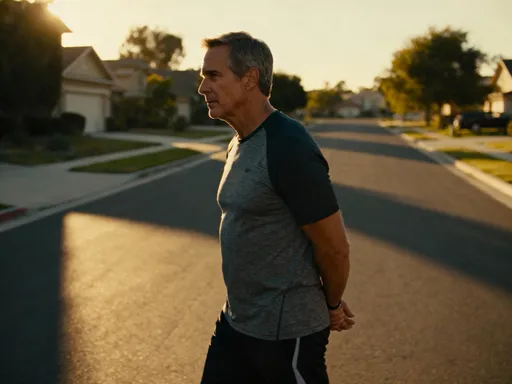
Real-world examples illustrate this principle clearly. Consider a woman in her early 50s who begins walking 30 minutes a day, five days a week. She does not run or lift weights; she simply commits to a daily stroll around her neighborhood. After three months, her average blood pressure drops from 148/92 mmHg to 134/84 mmHg. Her doctor notes improved energy levels and reduced reliance on medication. This outcome is not due to extreme effort but to the compounding effect of consistency. Each walk contributes to better circulation, lower stress hormones, and improved metabolic function. When repeated over weeks and months, these small benefits accumulate into measurable progress.
Conversely, individuals who pursue intense but inconsistent routines often experience burnout, injury, or discouragement. A weekend warrior who jogs vigorously on Saturday but remains sedentary the rest of the week does not achieve the same cardiovascular adaptations. The body thrives on rhythm and repetition. Sporadic exertion can even trigger temporary spikes in blood pressure, especially if the person is unaccustomed to physical strain. Therefore, the emphasis in rehabilitation should not be on how hard one exercises, but on how regularly and safely movement is integrated into daily life. Sustainability is the true measure of success.
Pitfall #3: Ignoring the Mind-Body Connection
One of the most overlooked aspects of blood pressure management is the profound influence of mental and emotional states on physical health. Chronic stress, anxiety, and emotional suppression can all contribute to sustained elevations in blood pressure, even in individuals who eat well and exercise regularly. This connection operates through the autonomic nervous system, which regulates involuntary functions such as heart rate, digestion, and blood vessel constriction. When a person experiences stress—whether from work, relationships, or financial concerns—the body releases cortisol and adrenaline, hormones that prepare it for “fight or flight.” While this response is adaptive in short bursts, constant activation leads to prolonged vasoconstriction and increased cardiac output, both of which raise blood pressure over time.
Unfortunately, many people dismiss relaxation techniques as “soft” or unnecessary, viewing them as luxuries rather than medical necessities. Yet, scientific evidence supports the inclusion of mind-body practices in hypertension rehabilitation. Techniques such as diaphragmatic breathing, mindfulness meditation, and progressive muscle relaxation have been shown to reduce sympathetic nervous system activity and enhance vagal tone—the branch of the nervous system responsible for calming the body. A clinical trial published in the journal Hypertension found that participants who practiced slow, paced breathing for 15 minutes daily experienced an average reduction of 7 mmHg in systolic pressure after eight weeks—results comparable to some drug therapies.
These practices do not require special equipment or extensive training. Simple techniques can be integrated into daily routines with minimal time investment. For example, paced breathing involves inhaling slowly through the nose for five seconds, holding briefly, and exhaling gently through the mouth for five seconds. Repeating this cycle for just five to ten minutes can trigger a relaxation response, slowing the heart rate and reducing vascular resistance. Similarly, guided audio sessions—available through reputable health apps or online platforms—can help individuals develop mindfulness habits without requiring prior experience. These tools are not replacements for medical care but complementary strategies that enhance overall treatment effectiveness.
The mind-body connection also extends to emotional patterns and self-perception. Individuals who feel overwhelmed, powerless, or anxious about their health may experience higher baseline stress levels, which in turn affect blood pressure. Rehabilitation, therefore, includes cultivating a sense of agency and self-efficacy. Learning to recognize emotional triggers, practicing self-compassion, and developing coping strategies are all part of building resilience. When people feel more in control of their responses to stress, they are better equipped to maintain stable blood pressure, even in challenging circumstances.
Building a Realistic, Personalized Plan
Effective blood pressure rehabilitation does not follow a one-size-fits-all model. What works for one person may not be feasible or sustainable for another. The most successful plans are those that are tailored to an individual’s lifestyle, preferences, and medical needs. The first step in creating such a plan is honest self-assessment. This involves reviewing current habits—such as daily activity levels, dietary patterns, sleep quality, and stress management—and identifying areas with the greatest potential for improvement. Rather than attempting to overhaul every aspect of life at once, it is more effective to focus on one or two manageable changes that can serve as entry points for broader transformation.
For instance, someone who spends most of the day sitting may begin by taking a five-minute walking break every hour. Another person struggling with nighttime snacking might start by establishing a consistent bedtime and replacing late-night snacks with herbal tea. These small shifts are not only easier to maintain but also build confidence and momentum. As new habits take root, additional changes can be introduced gradually. This incremental approach reduces the risk of overwhelm and increases the likelihood of long-term success.
Tracking progress can be helpful, but it should be done mindfully. Keeping a simple log of daily walks, meals, or blood pressure readings can provide valuable feedback and reinforce commitment. However, excessive monitoring can lead to anxiety, especially if numbers fluctuate. The goal is not perfection but awareness and consistency. Using tools such as mobile apps or journals can support this process, as long as they are used as guides rather than sources of judgment.
Equally important is collaboration with healthcare providers. A doctor, nurse, or registered dietitian can offer personalized guidance, monitor progress, and adjust treatment plans as needed. They can also help identify underlying conditions—such as sleep apnea or hormonal imbalances—that may be contributing to high blood pressure. Rehabilitation is not a solitary journey; it works best when medical expertise and personal effort are aligned. Regular check-ins ensure that efforts are safe, effective, and in harmony with overall health goals.
Long-Term Success: Turning Effort Into Habit
Sustained improvement in blood pressure is not the result of short-term willpower but of long-term habit formation. The transition from effortful action to automatic behavior is what makes rehabilitation truly effective. This process relies on repetition, environmental support, and positive reinforcement. When a behavior is repeated consistently in a stable context—such as walking after dinner each evening—it becomes ingrained in daily routine, requiring less conscious motivation over time. Neuroscience research shows that habits are formed through a loop of cue, routine, and reward. By understanding and shaping this loop, individuals can design lifestyles that naturally support healthy choices.
Environmental design plays a crucial role in this process. Simple changes—like placing walking shoes by the front door, keeping a water bottle on the desk, or setting a daily reminder for breathing exercises—serve as visual cues that prompt action. These cues reduce the cognitive load of decision-making, making it easier to follow through even on busy or stressful days. Similarly, structuring the home environment to support healthy eating—such as stocking the kitchen with whole grains, fruits, and vegetables—removes barriers to good nutrition.
Social support is another powerful driver of long-term success. Sharing goals with a trusted friend, joining a walking group, or participating in a community wellness program increases accountability and motivation. Celebrating small wins—such as completing a week of consistent walks or achieving a lower average blood pressure—reinforces positive behavior and builds confidence. These moments of recognition, even when self-directed, strengthen the emotional connection to the process and make it more enjoyable.
Ultimately, blood pressure rehabilitation is not a temporary fix but a lifelong commitment to well-being. It is about creating a life in which healthy choices are the default, not the exception. This shift in perspective—from managing a condition to cultivating a healthier self—transforms the journey from one of restriction to one of empowerment. With patience, persistence, and the right support, lowering blood pressure becomes less of a struggle and more of a natural outcome of daily living. It is not about perfection, but about showing up, consistently, for one’s health.