Why I Never Skip This One Habit After 5 Years of Stretching
Five years ago, I started stretching daily—not to fix pain, but to understand my body better. What began as a simple routine became a long-term health experiment. Over time, I noticed changes I never expected: more energy, better sleep, and fewer aches. This isn’t about quick fixes. It’s about how consistent stretching quietly reshaped my health—and how assessing those changes made all the difference. At first, the shifts were subtle. I didn’t suddenly become flexible or pain-free. But slowly, like seasons changing, my body began to respond. My posture improved. My joints felt easier to move. Even my mood seemed lighter. What surprised me most was not the physical transformation, but the awareness that grew alongside it. Stretching became more than movement; it became a daily conversation with myself.
The Real Reason I Started Stretching (It Wasn’t for Flexibility)
Most people begin stretching because they feel tight, sore, or injured. That wasn’t my story. I didn’t start because I was in pain or couldn’t touch my toes. I began out of curiosity—curiosity about how my body actually felt from day to day. Like many women in their 30s and beyond, I had grown used to ignoring small discomforts: the stiffness in my lower back after long hours at the kitchen table, the tension in my shoulders after managing family schedules, the occasional ache in my hips that came and went without explanation. These weren’t emergencies. They were background noise. But over time, that noise started to feel like a warning.
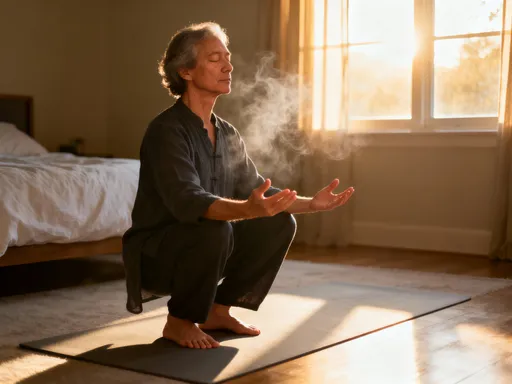
I realized I had stopped listening. I was focused on taking care of others—my children, my home, my responsibilities—but I wasn’t checking in with myself. So I made a small decision: every morning, before the day began, I would spend ten minutes stretching. Not to achieve anything dramatic, but simply to pay attention. I wasn’t chasing flexibility. I was searching for awareness. That subtle shift in intention changed everything. Instead of treating stretching as a chore or a corrective exercise, I began to see it as a form of self-observation. Each movement became a question: How does this feel today? Where is there resistance? What feels different from yesterday?
At first, I didn’t expect much. I assumed I might feel a little looser, maybe sleep slightly better. I had no idea that this simple act of daily attention would become one of the most revealing health tools I’ve ever used. The real benefit wasn’t in how far I could stretch, but in what that stretching revealed about my overall well-being. It taught me that the body speaks—if we’re willing to listen.
What Changed After the First Month (And Why I Kept Going)
The first few weeks were uneventful. I followed a basic routine—gentle neck rolls, shoulder stretches, forward folds, and hip openers—and honestly, I didn’t feel dramatically different. But by the end of the first month, something shifted. I noticed I no longer woke up with that familiar stiffness in my lower back. Getting out of bed became easier. I stood taller without thinking about it. My shoulders didn’t hunch forward as much, even after long hours at the computer or while cooking dinner. These weren’t huge victories, but they were consistent, and they were mine.
More surprising was the mental shift. I began to feel more grounded. The daily ritual gave me a sense of control in a life that often felt chaotic. I wasn’t just moving my body—I was creating space for myself, even if only for ten minutes. That small pause became a refuge. I started to look forward to it, not as a task, but as a quiet moment of connection. I began to notice how my mood affected my physical state. On stressful days, my muscles were tighter. On restful nights, my stretches felt deeper. This feedback loop—between body and mind—was something I had never considered before.
These early changes weren’t flashy, but they were motivating. They proved that small, consistent actions could lead to real results. I wasn’t chasing perfection; I was building awareness. And that awareness became its own reward. It wasn’t about how flexible I became, but about how much I was learning. That realization kept me going. I didn’t need dramatic transformations to stay committed. I just needed to keep showing up and paying attention. The consistency itself became the victory.
How Stretching Became My Personal Health Tracker
After a few months, I began to realize that my daily stretching sessions were doing more than improving my mobility—they were acting as a kind of health dashboard. Just like checking your weight, blood pressure, or step count, stretching became a way to monitor my body’s condition. I started noticing patterns. For example, after several days of sitting at a desk or helping with homework at the kitchen table, my hips would feel tighter than usual. If I hadn’t slept well, my hamstrings were less responsive. When I was under emotional stress, tension would build up in my neck and shoulders, even if I wasn’t aware of it during the day.
This kind of self-assessment wasn’t something I had planned. It emerged naturally from the routine. Because I was stretching at roughly the same time each day, under similar conditions, I could compare how my body felt from one day to the next. A slight increase in tightness might signal that I needed more rest. A sudden restriction in movement could point to poor posture or overuse. These signals weren’t loud alarms—they were quiet whispers. But over time, they became impossible to ignore. I started to treat stretching not just as exercise, but as a daily check-in, a moment to assess how I was really doing.
This tracking function became especially valuable during busy seasons—holidays, school changes, family visits—when self-care often falls to the bottom of the list. Instead of waiting for pain or fatigue to force me to slow down, I could catch imbalances early. If my body felt unusually stiff one morning, I might choose a walk instead of extra chores. If my shoulders were tight, I’d make time to rest or adjust my workspace. Stretching became a tool for prevention, not just recovery. It helped me stay proactive about my health in a way that felt natural and sustainable.
The Science Behind Long-Term Stretching (Without the Jargon)
What makes stretching so effective over time isn’t magic—it’s biology. The human body is made up of muscles, joints, and connective tissues like fascia, which wrap around and support everything. When we don’t move enough, these tissues can become stiff and less elastic. This isn’t just about feeling tight—it can affect circulation, joint mobility, and even how quickly muscles recover from daily activities. Stretching helps counteract this by gently encouraging these tissues to stay supple and responsive.
When done consistently, stretching improves blood flow to muscles and joints. This means more oxygen and nutrients reach the tissues, which supports healing and reduces soreness. It also helps maintain the natural range of motion in joints, which is crucial as we age. Research shows that people who maintain mobility through regular movement tend to stay more independent and experience fewer aches and injuries over time. The benefits aren’t immediate, but they accumulate. Think of it like brushing your teeth—not one session prevents cavities, but decades of consistency protect your oral health.
Another key benefit is the nervous system’s role. Stretching sends calming signals to the brain, which can help reduce the body’s stress response. This is why many people feel more relaxed after a stretching session, even if they didn’t feel stressed beforehand. The act of slow, mindful movement helps shift the body from “fight or flight” mode to “rest and digest” mode. Over time, this can lead to better sleep, improved digestion, and a greater sense of emotional balance. These effects may seem small in the moment, but they add up to meaningful improvements in daily life.
My Simple Routine: What I Actually Do Every Day
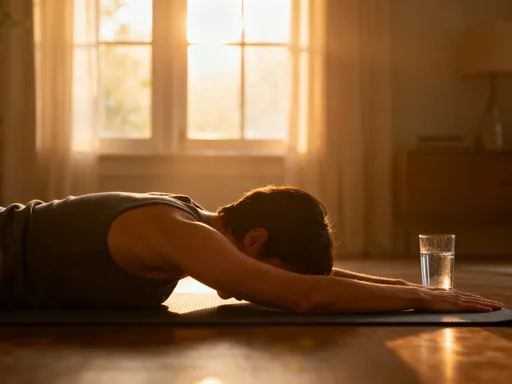
I don’t follow a complicated or intense routine. In fact, the simplicity is part of what makes it sustainable. My stretching practice takes between ten and fifteen minutes, usually in the morning before the household wakes up. Sometimes I do a shorter version at night if I feel particularly stiff. I focus on major areas that tend to hold tension: neck, shoulders, back, hips, and legs. I don’t push into pain—I aim for a gentle pull, a sensation of release.
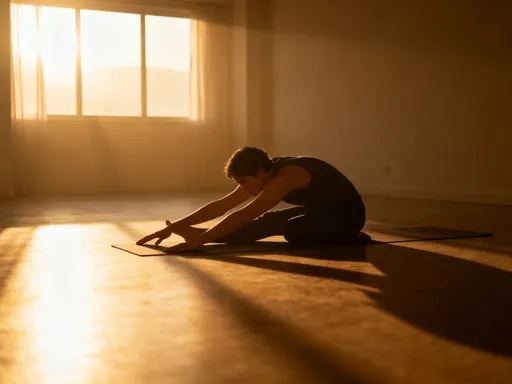
My routine typically starts with a few rounds of cat-cow to warm up the spine. Then I move into neck stretches—slow side bends and gentle rotations. Shoulder rolls and cross-body arm stretches follow, helping to release tension from daily tasks like carrying groceries or typing. I include a seated forward fold for the hamstrings and lower back, holding it for about 30 seconds. Hip flexor stretches are essential, especially after long periods of sitting. I finish with a gentle spinal twist and a few deep breaths lying on my back. That’s it—no advanced poses, no equipment, no pressure to perform.
The key isn’t complexity; it’s consistency. I’ve learned that the same basic stretches, done regularly, yield better results than occasional intense sessions. I don’t worry about doing it perfectly. Some days, my body feels open and fluid. Other days, it’s resistant. Both are normal. What matters is showing up. Over five years, this routine has become as automatic as brushing my teeth. It’s not about achieving a goal—it’s about maintaining a connection. And that connection has become one of the most reliable sources of well-being in my life.
When I Hit Plateaus (And How Assessment Helped Me Adjust)
There were times when progress stalled. After about a year, I noticed that my flexibility wasn’t improving the way it had in the beginning. Certain stretches felt the same as they did months ago. At first, I felt frustrated. I wondered if I was doing something wrong, or if my body had simply reached its limit. But instead of pushing harder, I paused and looked deeper. I started paying closer attention to how I felt during and after stretching. I also began tracking other factors: my sleep, my stress levels, how much time I spent sitting.
What I discovered was eye-opening. On days when I slept poorly, my muscles were tighter. When I had several back-to-back busy days, my shoulders stayed tense no matter how much I stretched. I realized that my body wasn’t resisting the stretching—it was responding to my lifestyle. The plateau wasn’t a failure; it was feedback. My stretching routine had become so consistent that it was now reflecting my overall habits, not just my physical state. This insight changed how I approached the practice. Instead of seeing it as something separate from the rest of my life, I began to see it as a mirror.
With that understanding, I made small adjustments. I started going to bed earlier. I took short walking breaks during the day. I became more mindful of my posture while cooking or driving. I also experimented with stretching in the evening instead of the morning on particularly stressful days, and found it helped me unwind. These tweaks didn’t lead to overnight changes, but over weeks, I noticed a difference. The tightness eased. My range of motion improved again. The plateau wasn’t a dead end—it was a signal to look beyond the stretch and address the bigger picture.
Why This Matters Beyond Flexibility: Stretching as a Lifestyle Check-In
Looking back, the greatest benefit of stretching hasn’t been physical—it’s been awareness. This daily habit has taught me to tune in, to notice subtle shifts before they become problems. It’s helped me recognize the connection between how I live and how I feel. When I’m tired, it shows in my stretches. When I’m stressed, my body holds it. When I’m well-rested and balanced, movement feels easier. This kind of self-knowledge is powerful. It allows me to make small, proactive choices that support long-term health.
Stretching has also become a form of self-respect. In a world that often demands constant productivity, taking ten minutes to care for my body sends a quiet message: I matter. I don’t have to earn rest. I don’t have to wait until I’m broken to begin healing. This practice has become a daily act of kindness, a way to honor the body that carries me through life’s demands. It’s not about looking a certain way or achieving a fitness goal. It’s about feeling present, capable, and connected.
For women in their 30s, 40s, 50s, and beyond, this kind of routine can be especially valuable. Our bodies go through changes—hormonal shifts, lifestyle demands, the natural effects of aging. We don’t need extreme workouts or restrictive diets to stay healthy. We need sustainable practices that support us over time. Stretching offers that. It’s accessible, gentle, and deeply informative. It doesn’t require special equipment or hours of time. It just requires attention. And in that attention, we find a deeper understanding of ourselves.
Five years later, I still stretch every day. Not because I’ve reached some ideal state, but because the practice continues to teach me something new. It’s not about perfection. It’s about presence. It’s about showing up for myself, one stretch at a time. The results didn’t come overnight, but they’ve lasted. And if there’s one habit worth measuring over years, it’s this: how well you stay in tune with yourself.