Move Your Body, Love Your Bump: Real Talk on Staying Active While Expecting
Pregnancy isn’t a reason to stop moving—it’s a reason to move smarter. Many women worry about staying fit while growing a baby, but science and experience show that the right kind of exercise supports both mom and baby. From easing discomfort to boosting energy, prenatal movement can be a game-changer. This guide breaks down safe, effective ways to stay active, no matter your fitness level. You don’t need intense workouts or expensive equipment. What you do need is consistency, awareness, and a willingness to adapt. The goal isn’t to achieve peak performance but to nurture strength, balance, and resilience during one of life’s most transformative journeys.
Why Exercise During Pregnancy? Beyond Just Staying in Shape
For decades, pregnant women were often advised to rest and avoid physical exertion. Today, medical understanding has evolved, and major health organizations—including the American College of Obstetricians and Gynecologists (ACOG)—recommend regular physical activity for most expectant mothers. The benefits extend far beyond maintaining physical fitness. Regular, moderate exercise during pregnancy has been shown to reduce common discomforts such as lower back pain, constipation, and swelling. It also plays a crucial role in improving circulation, which helps deliver oxygen and nutrients to the developing baby while supporting the mother’s cardiovascular health.
Equally important are the mental and emotional advantages. Hormonal fluctuations during pregnancy can affect mood, leading to increased anxiety or episodes of low energy. Engaging in consistent movement helps regulate these shifts by boosting endorphin levels—the body’s natural mood enhancers. Women who stay active often report better sleep quality, increased energy throughout the day, and a greater sense of control over their changing bodies. These psychological benefits contribute to a more positive pregnancy experience and may even support smoother postpartum recovery.
One of the most significant medical advantages is the reduced risk of gestational diabetes. Studies have found that women who engage in at least 150 minutes of moderate-intensity exercise per week are less likely to develop this condition, which can lead to complications during delivery and increase the child’s future risk of obesity and type 2 diabetes. Exercise helps the body use insulin more efficiently, keeping blood sugar levels stable. Additionally, regular activity is associated with a lower likelihood of preeclampsia, excessive weight gain, and the need for cesarean delivery.
Despite this evidence, many women hesitate to exercise due to persistent myths. Some believe that physical activity could harm the baby, cause miscarriage, or lead to preterm labor. However, research consistently shows that for low-risk pregnancies, moderate exercise poses no such dangers. The body is remarkably adaptive, and with proper guidance, movement becomes a form of care rather than risk. The key is not intensity but intention—choosing activities that support well-being without pushing beyond safe limits.
What’s Safe? Understanding Your Body’s Changing Limits
As pregnancy progresses, the body undergoes profound physiological changes that directly impact physical activity. One of the most notable is the release of the hormone relaxin, which begins rising in the first trimester and peaks later in pregnancy. Relaxin softens ligaments and loosens joints, particularly in the pelvis, to prepare for childbirth. While this increased flexibility is essential for delivery, it also raises the risk of overstretching or joint injury during exercise. Movements that once felt stable—like deep lunges or sudden twists—can now place undue stress on vulnerable areas.
Balance is another factor that shifts over time. As the uterus expands, the center of gravity moves forward, altering posture and making falls more likely. This change means that activities requiring agility or quick directional shifts—such as tennis or high-impact aerobics—are generally not recommended. Even simple tasks like climbing stairs or standing on one foot can become more challenging. Awareness of these shifts is critical; what felt comfortable in early pregnancy may no longer be appropriate later on.
Knowing when to stop is just as important as knowing what to do. There are clear warning signs that indicate it’s time to pause and consult a healthcare provider. These include dizziness, shortness of breath before exertion, chest pain, headache, muscle weakness, calf pain or swelling (which could signal a blood clot), vaginal bleeding, or regular, painful contractions. If any of these symptoms occur during or after exercise, activity should be discontinued immediately. These are not signs of poor fitness but potential signals that the body needs medical evaluation.
To stay within safe boundaries, experts recommend focusing on low-impact activities that minimize joint stress and maintain stability. Walking, stationary cycling, swimming, and water aerobics are ideal choices because they support the body’s weight while allowing full range of motion. Avoid exercises that involve lying flat on the back after the first trimester, as this position can compress the vena cava—a major blood vessel—and reduce circulation to the heart and uterus. Similarly, movements that involve rapid changes in direction, jumping, or holding the breath should be avoided to prevent strain or blood pressure spikes.
The Core Moves: Best Exercises for Each Trimester
Fitness needs evolve throughout pregnancy, and tailoring movement to each trimester ensures both safety and effectiveness. In the first trimester, many women experience fatigue, nausea, and hormonal shifts that make intense workouts difficult. However, this is also a time when establishing a routine can set the tone for the rest of the pregnancy. Gentle walking for 20–30 minutes most days is an excellent starting point. It requires no special equipment, can be done almost anywhere, and supports cardiovascular health without overexertion. Light strength training using body weight or resistance bands helps maintain muscle tone and prepares the body for the physical demands ahead.
By the second trimester, energy levels often improve, and the risk of miscarriage decreases, making it an ideal time to expand the exercise routine. Swimming and water-based workouts become increasingly beneficial as the belly grows. The buoyancy of water reduces pressure on joints while providing natural resistance, making it perfect for building endurance. Prenatal yoga gains popularity during this stage, offering a blend of gentle stretching, breathing techniques, and mindfulness. Poses like cat-cow, seated forward bends, and modified warrior stances enhance flexibility, improve posture, and promote relaxation—all valuable tools for labor preparation.
The third trimester brings new challenges: reduced mobility, increased weight, and the physical anticipation of labor. At this stage, the focus shifts to functional movements that support comfort and readiness. Pelvic tilts, performed on hands and knees or against a wall, help relieve lower back pressure and encourage optimal fetal positioning. Supported stretches using pillows or yoga blocks maintain hip and shoulder mobility without strain. Short daily walks continue to support circulation and may even encourage labor onset when the time comes. The goal is not to push limits but to stay connected to the body and maintain a sense of control.
Throughout all trimesters, consistency matters more than intensity. A 10-minute walk every day is more beneficial than an occasional hour-long session. Listening to your body’s cues—such as increased fatigue or discomfort—is essential. Some days may call for rest, and that’s perfectly acceptable. The objective is to build a sustainable habit that supports both physical health and emotional well-being, recognizing that every woman’s journey is unique.
Strength That Matters: Building Muscles for Labor and Motherhood
When most people think of strength training, images of heavy weights and bulging muscles come to mind. But during pregnancy, strength takes on a different meaning. Functional strength—the kind that supports everyday movements—is what truly matters. Carrying a growing baby, lifting car seats, bending to pick up toys, and pushing during labor all require muscular endurance and stability. Building this kind of strength isn’t about appearance; it’s about preparing the body for the physical realities of motherhood.
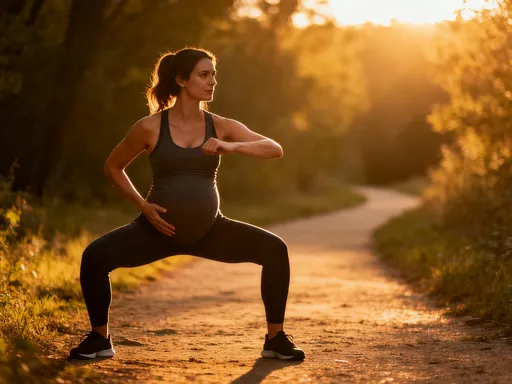
Bodyweight exercises are particularly effective and safe during pregnancy. Wall squats, for example, strengthen the glutes and thighs without placing strain on the lower back. They mimic the squatting position often used in labor, helping women build confidence and endurance for delivery. Modified planks—performed on the knees or against a wall—engage the core without compressing the abdomen. These exercises support postural muscles, reducing the likelihood of back pain as the belly grows.
Other beneficial movements include step-ups, glute bridges, and seated rows with resistance bands. These target key muscle groups used in lifting, carrying, and stabilizing the body. The emphasis should always be on proper form and controlled movement rather than speed or resistance level. Even small increases in strength can make daily tasks feel easier and reduce fatigue. Over time, this builds a sense of physical competence that translates into greater confidence during pregnancy and beyond.
It’s also important to understand that strengthening the pelvic floor is a crucial part of prenatal fitness. These muscles support the bladder, uterus, and bowels, and they play a vital role during labor and recovery. Kegel exercises—gentle contractions of the pelvic floor—can be done discreetly at any time and have been shown to improve urinary control and reduce the risk of incontinence after childbirth. When combined with diaphragmatic breathing, they also enhance mind-body awareness, which is valuable during contractions and pushing.
Breathe, Stretch, Recover: The Role of Flexibility and Mind-Body Connection
Movement during pregnancy isn’t just about muscles and joints—it’s also about breath and awareness. Diaphragmatic breathing, also known as belly breathing, involves deep inhalations that expand the lower lungs and abdomen. This technique increases oxygen flow to both mother and baby and helps activate the parasympathetic nervous system, which promotes relaxation. Practicing this type of breathing regularly can be a powerful tool during labor, helping women manage pain and stay focused during contractions.
Stretching plays an equally important role. As the body changes, muscles can become tight or imbalanced. The lower back, hips, and shoulders often bear the brunt of postural shifts, leading to discomfort. Gentle daily stretching helps maintain range of motion, reduces muscle tension, and improves circulation. Focus areas include the hip flexors, hamstrings, and chest muscles, which can become shortened from prolonged sitting or forward-leaning postures. Holding each stretch for 20–30 seconds without bouncing ensures safety and effectiveness.
Prenatal Pilates is a popular option that combines stretching, core engagement, and controlled breathing. Unlike traditional Pilates, prenatal versions avoid deep abdominal work and supine positions, making them safe for later stages of pregnancy. Classes often emphasize alignment, pelvic stability, and breath coordination—skills that directly support labor and delivery. Even without formal classes, women can incorporate short stretching routines at home, especially after a walk or during moments of prolonged sitting.
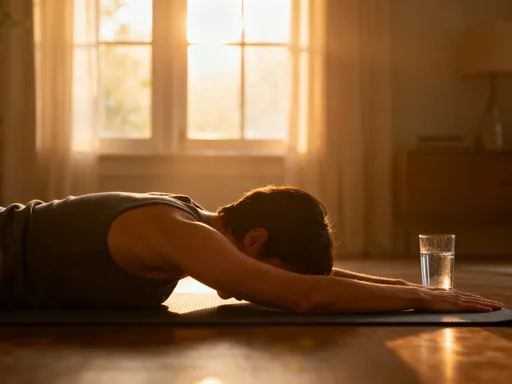
Recovery is not a luxury—it’s a necessity. The body works hard to grow a baby, and rest allows tissues to repair and energy to replenish. Incorporating rest days into the weekly routine prevents overtraining and supports immune function. Techniques like elevating the legs, using supportive pillows, or practicing mindfulness meditation can enhance recovery and reduce swelling. Viewing rest as an active part of fitness, rather than a sign of weakness, helps maintain a balanced and sustainable approach.
Making It Real: How to Stick With It Without the Gym
One of the biggest challenges for expectant mothers is finding time and motivation to stay active. Morning sickness, fatigue, work demands, and family responsibilities can make exercise feel like just another item on an endless to-do list. The solution isn’t to aim for perfection but to integrate movement into daily life in realistic, manageable ways. Small, consistent efforts add up over time and are more sustainable than ambitious but infrequent workouts.
Home-based exercises eliminate the need for travel and scheduling around gym hours. A 10-minute routine in the morning or after dinner can include a mix of stretching, light squats, and breathing exercises. Resistance bands are affordable, portable, and effective for building strength without equipment. Even household activities like folding laundry, gardening, or playing with older children can count as movement when done with awareness and intention.
Walking after meals is another practical strategy. A 15-minute stroll following breakfast, lunch, or dinner supports digestion, regulates blood sugar, and boosts mood. It’s also an opportunity to disconnect from screens and connect with nature or a partner. For women who work from home or have limited mobility, seated exercises—such as ankle circles, shoulder rolls, or seated leg lifts—can maintain circulation and prevent stiffness.
Motivation often wanes during the second and third trimesters, when energy dips and discomfort increases. Having a support system can make a big difference. Exercising with a friend, joining a prenatal fitness class, or sharing progress with a partner helps maintain accountability. Tracking activity—whether through a journal, app, or simple calendar checkmarks—provides a visual reminder of consistency and progress. Celebrating small wins, like completing a week of daily walks, reinforces positive behavior and builds confidence.
When to Pause: Knowing Your Boundaries and Consulting Experts
No two pregnancies are the same, and what works for one woman may not be safe for another. Certain medical conditions—such as placenta previa, preeclampsia, cervical insufficiency, or a history of preterm labor—may require restrictions or complete avoidance of physical activity. In these cases, a healthcare provider will offer personalized guidance based on individual risk factors. It’s essential to have an open conversation with your doctor or midwife before starting or continuing any exercise program.
Even in low-risk pregnancies, changes in how you feel should guide your decisions. If you’re unusually fatigued, experiencing persistent pain, or feeling lightheaded during movement, it’s wise to scale back or take a break. Pregnancy is not the time to push through discomfort or adhere to rigid fitness goals. Rest is not failure—it’s a necessary component of a healthy routine. Listening to your body’s signals ensures that activity remains supportive rather than stressful.
Regular check-ins with your care provider allow for ongoing assessment of your fitness plan. They can help interpret symptoms, adjust recommendations, and provide reassurance when concerns arise. Many women worry about doing too much or too little, but professionals can offer clarity based on medical evidence and clinical experience. This partnership between patient and provider fosters confidence and safety throughout the journey.
Remember, the goal of prenatal exercise is not to meet external standards but to honor your body’s needs. Some days will be more active than others, and that’s okay. Flexibility in your approach—both physically and mentally—leads to greater long-term success. Whether you walk for five minutes or practice breathing for ten, every effort counts.
Your Strongest Self Starts Now
Staying active during pregnancy is not about maintaining a certain look or achieving fitness milestones. It’s about building a foundation of strength, resilience, and self-awareness that supports both the physical and emotional demands of motherhood. Every step taken, every breath practiced, every stretch held is an act of care—for yourself and for your baby. The journey of pregnancy is temporary, but the habits formed during this time can have lasting benefits long after delivery.
By moving with intention, women empower themselves to navigate the changes ahead with greater ease and confidence. They learn to trust their bodies, honor their limits, and celebrate progress in all its forms. This mindset extends beyond fitness; it becomes a model for parenting—responsive, patient, and grounded in self-respect. When activity is framed as self-support rather than self-improvement, it transforms from a chore into a meaningful ritual.
There is no single “right” way to stay active during pregnancy. What matters is finding what works for you—your body, your schedule, your life. Whether it’s a daily walk, a few minutes of stretching, or a full prenatal workout, consistency and compassion are the true measures of success. You don’t have to do it all. You just have to start, adapt, and keep going. Because the strongest version of yourself isn’t defined by how much you can lift or how fast you can walk—but by how well you care for the life growing within you.