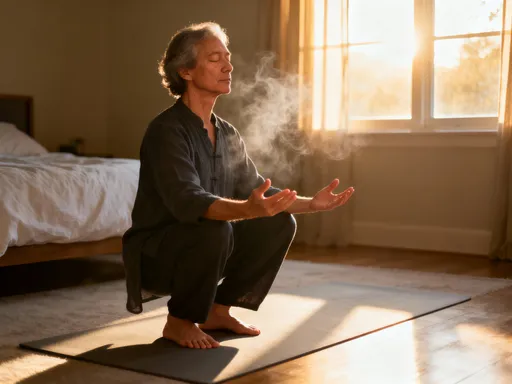
How I Calmed My Mind to Help My Joints Feel Better
You’re not imagining it—stress really does make joint discomfort worse. When I started paying attention, I noticed my stiffness spiked during busy, anxious weeks. Turns out, your nervous system talks to your joints more than you think. This isn’t about curing anything, but sharing what helped me feel more at ease—both mentally and physically. Let’s talk about simple, science-backed ways to reset your mind so your body can follow.
The Hidden Link Between Stress and Joint Discomfort
Many women in their 30s to 50s notice that joint discomfort doesn’t always follow a clear pattern. It might flare up after a long day at work, during a family crisis, or in the middle of a sleepless week. While aging and physical wear are often blamed, there’s another factor that’s frequently overlooked: stress. Chronic stress, even when it feels emotional or mental, sends real signals through the body that can affect how your joints feel from day to day.
When the body senses stress—whether it’s financial worry, parenting pressure, or work deadlines—it activates the sympathetic nervous system. This triggers the release of stress hormones like cortisol and adrenaline. In small bursts, these hormones help you respond to challenges. But when stress becomes constant, cortisol remains elevated, and this prolonged state can increase systemic inflammation. Inflammation is a natural part of the body’s healing process, but when it becomes chronic, it can contribute to discomfort in the joints, especially in areas already prone to strain like the knees, hands, hips, and lower back.
Research has shown that people experiencing high levels of psychological stress are more likely to report joint stiffness and reduced mobility. This isn’t because the discomfort is imaginary—it’s because the nervous system and the immune system are deeply connected. The brain doesn’t separate mental strain from physical sensation. When your mind is on high alert, your body stays tense. Muscles tighten, circulation slows, and joints receive less oxygen and nutrients. Over time, this can create a feedback loop: joint discomfort increases stress, and stress worsens the discomfort.
For many women managing households, careers, and caregiving, this cycle can feel inescapable. But understanding the connection is the first step toward breaking it. Recognizing that your emotional state can influence how your body feels doesn’t mean you’re to blame—it means you have more tools at your disposal. By learning to calm the mind, you may also be soothing your joints from the inside out.
Why Calming Your Mind Can Support Joint Health
The mind-body connection is not a vague concept—it’s a biological reality. When you practice mental calm, you’re not just feeling more relaxed; you’re sending signals through your nervous system that shift your body into a state of repair. This shift can have a direct impact on joint comfort. When the mind is less overwhelmed, the body often follows, releasing tension and improving circulation to areas that need it most.
One of the most immediate effects of mental relaxation is reduced muscle tension. Tight muscles around the joints—especially in the neck, shoulders, and lower back—can increase pressure and limit movement. When stress keeps these muscles contracted, even minor joint strain can feel more intense. Calming the mind helps relax these muscles, which in turn reduces strain on the joints they support. This doesn’t eliminate underlying issues, but it can make daily movement easier and more comfortable.
Additionally, relaxation techniques have been shown to lower levels of inflammatory markers in the body. Studies suggest that practices like mindfulness and deep breathing can reduce the production of pro-inflammatory cytokines, molecules involved in the body’s inflammatory response. While these changes don’t happen overnight, consistent mental calm can contribute to a less reactive, more balanced internal environment—one where joint discomfort may be less likely to flare.
Many women report feeling lighter and more mobile after integrating regular mental reset practices into their routines. They describe mornings with less stiffness, fewer aches after long days, and a greater sense of control over their physical well-being. These improvements aren’t due to dramatic lifestyle changes, but to small, consistent acts of self-awareness. The key is understanding that mental wellness isn’t separate from physical health—it’s a foundational part of it. Supporting your mind doesn’t replace medical care, but it strengthens your body’s natural ability to manage discomfort and recover from daily strain.
Breathing Techniques That Actually Work (And How to Practice Them)
One of the most accessible and effective tools for calming the mind is diaphragmatic breathing. Unlike shallow chest breathing, which often accompanies stress, diaphragmatic breathing engages the full capacity of the lungs and activates the parasympathetic nervous system—the part of your nervous system responsible for rest and recovery. This simple shift in how you breathe can send a powerful message to your body: it’s safe to relax.
A 5-minute daily breathing practice can make a noticeable difference. Start by finding a quiet spot where you won’t be interrupted. Sit comfortably with your feet flat on the floor and your hands resting on your lap or abdomen. Close your eyes if it feels comfortable. Begin by inhaling slowly through your nose for a count of four, allowing your belly to rise as your lungs fill. Hold the breath gently for a count of two, then exhale slowly through your mouth for a count of six. The longer exhale is key—it signals the body to shift out of fight-or-flight mode.
Repeat this cycle for five minutes, focusing only on the rhythm of your breath. If your mind wanders, gently bring your attention back without judgment. Over time, this practice trains your nervous system to respond more calmly to daily stressors. You may begin to notice that moments of tension—like a child’s tantrum or a work deadline—don’t leave you as physically drained as before.
For busy women, fitting in even five minutes can feel challenging. But the beauty of this technique is its flexibility. You can practice it in the car before running errands, during a bathroom break at work, or while waiting for dinner to cook. Some women find it helpful to pair it with an existing habit, like after brushing their teeth in the morning or right before turning off the lights at night. Consistency matters more than duration. Even a few deep breaths throughout the day can help reset your nervous system and reduce the physical toll of stress on your joints.
The Power of Mindful Movement—Without the Hype
Exercise is often recommended for joint health, but not all movement is created equal—especially when stress is a factor. High-intensity workouts can sometimes add to physical strain rather than relieve it. Instead, mindful movement offers a gentler, more sustainable approach. This includes low-impact activities like gentle stretching, tai chi, or slow walks in nature, all done with attention to sensation, breath, and presence.
Mindful movement is not about performance. It’s not about how far you go, how fast you move, or how many repetitions you complete. It’s about tuning in. When you move slowly and with awareness, you give your nervous system a chance to reset. You begin to notice subtle signals from your body—where you’re holding tension, where you feel ease, how your joints respond to different motions. This awareness can help you adjust your movements to support comfort rather than strain.
For example, a 15-minute morning stretch routine can improve circulation to stiff joints while quieting mental chatter. Focus on slow, deliberate movements: rolling your shoulders, gently bending your knees, reaching your arms overhead with care. Breathe into each motion, moving only as far as feels comfortable. Over time, this practice can increase joint mobility and reduce morning stiffness. Tai chi, with its flowing, meditative sequences, has been studied for its benefits in improving balance and reducing joint discomfort in middle-aged and older adults. Even a 20-minute walk with full attention to each step and breath can serve as a moving meditation.
The key is regularity, not intensity. You don’t need special equipment or a gym membership. What matters is showing up for yourself, even for a few minutes a day. As one woman shared, “I used to push through pain, thinking I had to earn relief. Now I move gently, and my body feels more cooperative.” Mindful movement isn’t a cure, but it’s a way of honoring your body’s limits while supporting its natural ability to heal and adapt.
How Sleep and Mental Reset Are Connected to Joint Comfort
Sleep is one of the most powerful yet underrated tools for joint health. During deep sleep, the body repairs tissues, reduces inflammation, and resets the nervous system. But when stress interferes with sleep, this recovery process is disrupted. Many women in their 30s to 50s struggle with fragmented sleep—waking up multiple times, lying awake with racing thoughts, or feeling unrested despite spending enough time in bed. This kind of poor sleep doesn’t just leave you tired—it can heighten your sensitivity to physical discomfort.
Research shows that sleep deprivation increases pain sensitivity and lowers the threshold for what the body perceives as painful. When you’re sleep-deprived, even mild joint stiffness can feel more intense. At the same time, discomfort can make it harder to fall or stay asleep, creating a cycle that’s hard to break. The nervous system, already on edge from stress, becomes even more reactive, amplifying both mental and physical tension.
Improving sleep quality doesn’t require drastic changes. Small, consistent habits can make a big difference. Start by creating a wind-down routine 30 to 60 minutes before bed. This might include dimming the lights, reading a book, or practicing a few minutes of deep breathing. Avoid screens during this time, as the blue light from phones and tablets can suppress melatonin, the hormone that regulates sleep. Keep your bedroom cool, quiet, and comfortable, and try to go to bed and wake up at the same time every day, even on weekends.
Some women find that writing down their thoughts before bed helps clear mental clutter. Keeping a notebook by the bed to jot down worries or to-do lists can prevent them from circling in your mind at night. Herbal teas like chamomile or passionflower may support relaxation, but always check with a healthcare provider if you’re taking medications. The goal is to signal to your body that it’s safe to rest. When sleep improves, many women notice that their joints feel less stiff in the morning and that they have more resilience throughout the day. Better sleep supports better nervous system regulation, which in turn supports joint comfort.
Building a Simple Daily Routine for Mental and Physical Ease
Creating lasting change doesn’t require overhauling your life. What works best is a simple, sustainable routine that fits into your existing schedule. The goal isn’t perfection—it’s consistency. By dedicating just 10 to 15 minutes a day to practices that calm the mind and support the body, you can begin to shift how you feel, both mentally and physically.
Start by choosing one anchor point in your day—morning, midday, or evening—and build your routine around it. For example, a morning routine might include five minutes of diaphragmatic breathing, followed by five minutes of gentle stretching, and ending with two minutes of quiet reflection or gratitude. You could do this before the household wakes up or after your morning coffee. If mornings are too rushed, try a midday reset: step outside for a slow 10-minute walk, focusing on your breath and surroundings. Or, wind down in the evening with a breathing practice and a few mindful stretches before bed.
The key is to keep it manageable. Don’t aim for an hour-long session. Even two minutes of intentional breathing counts. Over time, these small moments add up. One woman shared that she started with just three deep breaths before checking her phone in the morning. Within weeks, she expanded it into a full 12-minute routine and noticed her afternoon stiffness had decreased. Another found that doing seated stretches during her child’s homework time helped her feel more present and less achy by bedtime.
Think of this routine as a daily gift to yourself—one that supports both mental clarity and physical comfort. It’s not about fixing everything at once. It’s about creating space for your body to recover, your nervous system to reset, and your joints to feel less burdened by the weight of daily stress. Over time, this small investment can lead to noticeable improvements in how you move, how you feel, and how you experience your day.
When to Seek Professional Support—And Why It Matters
While mental wellness practices can have a meaningful impact on joint comfort, they are not a substitute for medical care. If you’re experiencing persistent joint pain, swelling, or reduced mobility, it’s important to consult a healthcare provider. Conditions like osteoarthritis, rheumatoid arthritis, or other joint-related issues require proper diagnosis and treatment. A doctor can help determine the underlying cause of your discomfort and recommend appropriate interventions, which may include physical therapy, medication, or lifestyle adjustments.
Mental wellness tools should be seen as a complement to clinical care, not a replacement. When used together, they can create a more holistic approach to joint health. For example, a woman managing arthritis may benefit from both prescribed treatment and daily mindfulness practices that reduce stress-related flare-ups. This balanced approach honors both the physical and emotional aspects of well-being.
Additionally, if stress, anxiety, or sleep issues feel overwhelming, consider speaking with a mental health professional. Therapy, counseling, or support groups can provide valuable tools for managing emotional strain. There’s no weakness in asking for help—only strength in recognizing when you need it. Taking care of your mind isn’t selfish; it’s necessary for showing up fully in your life, whether you’re caring for children, managing a home, or pursuing personal goals.
Joint health is not just about the joints themselves. It’s about the entire system they’re part of—the muscles, nerves, circulatory system, and mind. By addressing stress and supporting mental calm, you’re giving your body the best possible environment to heal and function well. But professional guidance ensures you’re not missing anything important. A healthcare provider can help you navigate the right path, combining science-backed treatments with self-care strategies that work for your unique life.
True joint care goes beyond creams and capsules—it includes how we treat our minds. By gently adjusting our mental state, we may give our bodies the quiet they need to heal and stabilize. This isn’t a quick fix, but a long-term shift toward feeling more balanced, present, and in tune with what our bodies are telling us. The journey starts not with force, but with awareness.