How I Stopped My Hair From Thinning — A Real Long-Term Body Care Journey
Hair loss isn’t just about looks—it’s personal. For years, I watched strands pile up in the shower, each one a quiet reminder that something was off. I tried quick fixes that failed. But over time, I learned: true prevention isn’t magic, it’s routine. This isn’t a miracle story—it’s about small, consistent body care choices that add up. If you’re tired of temporary solutions, this long-term approach might be what finally works.
The Moment I Realized It Was More Than Stress
At first, the extra hair on the brush seemed normal. Everyone sheds, right? But when the part widened and the crown thinned despite no major life changes, denial faded into concern. It wasn’t just stress from work or a busy season of parenting. This was different—persistent, gradual, and deeply personal. Looking in the mirror, I saw more than thinning hair; I saw a signal from my body that something was out of balance. Many women assume hair loss is purely genetic or reserved for later in life, but that’s a myth. Hair reflects internal health, often revealing subtle shifts long before a doctor’s diagnosis.
What made this realization powerful wasn’t just the physical change, but the emotional weight. Hair is tied to identity, confidence, and self-image. Watching it slip away quietly chipped at my sense of control. I began researching not for a quick cover-up, but for understanding. That’s when I discovered a key truth: hair thinning is rarely isolated. It’s often the visible outcome of deeper, long-term patterns—nutritional gaps, chronic stress, or unnoticed inflammation. The scalp isn’t separate from the rest of the body; it’s an extension of it. Treating it with care means treating the whole system with respect.
This shift in mindset—from cosmetic concern to holistic health signal—changed everything. Instead of chasing products that promised instant thickness, I started asking better questions. What was my body trying to tell me? Were my daily habits supporting or undermining my health? The answers weren’t always comfortable, but they were necessary. True body care isn’t about perfection. It’s about awareness, consistency, and responding with kindness rather than panic. That moment of realization—the moment I stopped ignoring the signs—was the real beginning of my journey.
What Actually Causes Hair to Thin Over Time?
To understand hair thinning, it helps to know how hair grows. The cycle has three phases: growth (anagen), transition (catagen), and rest (telogen). Normally, about 85–90% of hair is in the growth phase at any time. Shedding 50 to 100 strands daily is typical. But when shedding increases or new hairs fail to replace lost ones, thinning becomes visible. The difference between temporary shedding and long-term thinning lies in the health of the hair follicle itself. In conditions like female pattern hair loss, follicles gradually shrink—a process called miniaturization—producing finer, shorter hairs over time until growth slows or stops.
Several science-backed factors contribute to this process. Hormonal shifts, especially around perimenopause or after childbirth, can alter the balance of androgens and estrogen, affecting follicle function. Chronic inflammation, often silent and systemic, can damage follicles and disrupt the growth cycle. Nutritional deficiencies—particularly in iron, protein, and certain B vitamins—are well-documented contributors. Even the scalp’s microenvironment matters: an imbalance in pH, excess sebum, or microbial overgrowth can impair circulation and nutrient delivery to follicles.
Another critical point is timing. Damage often accumulates slowly, over months or years, before becoming visible. By the time thinning is noticeable, the underlying causes may have been present for a long time. This is why early intervention matters. Waiting until hair is visibly sparse limits options. The goal isn’t just to stop loss, but to support follicle resilience before significant miniaturization occurs. Prevention isn’t reactive—it’s proactive, rooted in daily habits that sustain scalp and systemic health.
Why Most People Fail at Long-Term Prevention
Many women start strong—buying serums, changing shampoos, researching diets—only to give up within weeks. The reason isn’t lack of effort; it’s a mismatch in expectations. Hair growth is slow. The anagen phase lasts 2 to 7 years, and new hairs grow about half an inch per month. Real change takes time, often 6 to 12 months of consistent care before improvements are visible. But in a world of instant results, patience feels like failure. Social media amplifies this, showcasing dramatic transformations in weeks, often enhanced by filters, lighting, or professional treatments not disclosed to viewers.
Quick-fix products dominate the market—shampoos with “thickening” claims, supplements promising rapid regrowth, laser caps marketed as miracle devices. While some have merit, they rarely work in isolation. Without foundational body care, even the most advanced tools fall short. The deeper issue is mindset: treating hair health as a trend rather than a lifelong practice. People jump from one solution to another, never giving any approach enough time to work. Inconsistency becomes the norm, and when results don’t appear fast, motivation drops.
Another common pitfall is all-or-nothing thinking. Some women overhaul their entire routine overnight—new diet, new supplements, new scalp regimen—only to abandon it when life gets busy. Sustainable change doesn’t require perfection. It requires small, manageable choices repeated over time. The women who succeed aren’t those who do everything at once, but those who build habits gradually and stick with them even when progress is slow. Long-term prevention isn’t about intensity; it’s about consistency. It’s choosing the same gentle shampoo every day, eating iron-rich meals most days, and protecting sleep—even when no one notices.
The Foundation: Nutrition That Fuels Strong Hair
Hair is made mostly of keratin, a protein, so adequate dietary protein is essential. But beyond protein, several nutrients play critical roles. Iron, for example, helps red blood cells carry oxygen to hair follicles. Low iron stores, even without full anemia, are linked to hair shedding. Zinc supports cell reproduction and hormone balance—both vital for hair growth. Biotin, part of the B-vitamin family, aids in keratin production, though deficiency is rare in those eating a varied diet. Omega-3 fatty acids, found in fatty fish and certain plant sources, help keep the scalp hydrated and reduce inflammation.
The challenge isn’t usually extreme deficiency, but suboptimal intake over time. Modern diets, often high in processed foods, can lack these key nutrients. Vegetarian or plant-based eaters may struggle with iron and zinc absorption, since plant forms are less readily absorbed than animal sources. But pairing iron-rich foods like lentils or spinach with vitamin C-rich foods—such as bell peppers or citrus—can enhance absorption. Similarly, including healthy fats with meals helps the body absorb fat-soluble vitamins that support skin and scalp health.
Instead of drastic diets or expensive supplements, focus on gradual, sustainable improvements. Start with one change: add a serving of protein to breakfast, include leafy greens three times a week, or swap sugary snacks for nuts and seeds. These choices don’t yield overnight results, but over months, they build a stronger internal foundation. Think of nutrition not as a short-term fix, but as daily support for every cell in your body—including those in your scalp. The food you eat today may not show in your hair for months, but it’s working beneath the surface all the same.
Scalp Care Beyond Shampoo: Building a Sustainable Routine
The scalp is living skin, not just a surface for styling products. When neglected, it can become dry, flaky, or oily—conditions that disrupt the hair growth environment. Over-washing strips natural oils, leading to irritation and rebound oiliness. Harsh sulfates and alcohols in some shampoos can inflame follicles over time. Buildup from styling products can clog pores, limiting space for new hairs to emerge. A healthy scalp supports strong roots, just as fertile soil supports healthy plants.
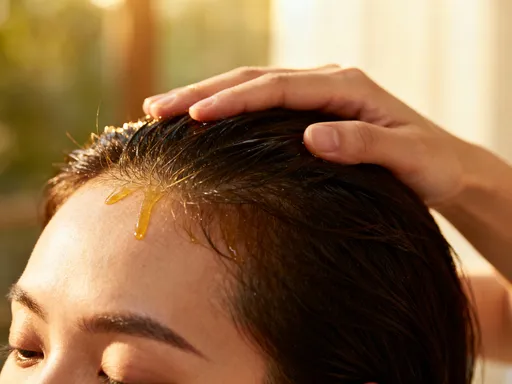
A sustainable routine starts with gentle cleansing. Washing every other day—or even less frequently, depending on hair type—can maintain balance. Choosing a mild, sulfate-free formula helps preserve the scalp’s natural barrier. Equally important is scalp massage. Just a few minutes daily, using fingertips in small circular motions, boosts circulation and may stimulate follicles. It’s a simple act, but over time, it delivers more oxygen and nutrients to the roots. Some women incorporate this into their evening wind-down, turning it into a moment of self-care.
Another often-overlooked step is avoiding excessive heat and tension. Frequent blow-drying, straightening, or tight hairstyles like ponytails and braids can weaken hair and stress follicles, leading to traction alopecia over time. Protecting hair at night with a silk scarf or pillowcase reduces friction and breakage. These habits aren’t about achieving perfection, but about reducing daily damage. Like brushing your teeth, scalp care works best when it’s routine, not occasional. The goal isn’t a flawless appearance tomorrow, but a healthier foundation for years to come.
Lifestyle Levers: Sleep, Stress, and Daily Movement
The body doesn’t operate in compartments. Chronic stress, poor sleep, and inactivity don’t just affect mood and energy—they influence hormones that regulate hair growth. Cortisol, the primary stress hormone, can disrupt the hair cycle when elevated for long periods. High cortisol levels have been associated with increased shedding and slower regrowth. Similarly, poor sleep impairs tissue repair and hormone regulation, both essential for healthy follicles. A sedentary lifestyle reduces blood flow, limiting nutrient delivery to the scalp.
The good news is that modest changes can make a difference. A 10-minute walk each day improves circulation and helps regulate cortisol. Deep breathing or mindfulness practices—even just five minutes in the morning or before bed—can lower stress markers over time. Prioritizing sleep hygiene, such as reducing screen time before bed and keeping a consistent sleep schedule, supports the body’s natural repair processes. These aren’t extreme measures, but small, consistent choices that add up.
Many women feel they don’t have time for self-care, especially when juggling family, work, and household responsibilities. But body care isn’t selfish—it’s necessary. You can’t pour from an empty cup. Treating sleep as non-negotiable, saying no to extra commitments when exhausted, or scheduling short movement breaks aren’t luxuries; they’re investments in long-term health. When the body feels supported, hair often follows. It’s not about doing more, but about protecting the basics: rest, movement, and emotional balance.
Tracking Progress Without Obsession: What to Watch For
One of the hardest parts of a long-term approach is not seeing immediate results. Daily mirror checks or taking weekly photos often lead to frustration, not motivation. Hair growth is slow, and progress is subtle. Instead of focusing on density, pay attention to other signs: reduced shedding, improved texture, increased shine, or the appearance of soft baby hairs along the hairline. These are early indicators that the follicles are responding.
A helpful practice is to track habits, not just outcomes. Keep a simple journal: Did you eat protein at breakfast? Did you massage your scalp? Did you get seven hours of sleep? These actions are within your control, unlike the speed of regrowth. Celebrating consistency reinforces the right behaviors. At the same time, avoid obsession. Weighing progress daily turns care into stress, which defeats the purpose.
If, after 6 to 12 months of consistent effort, there’s no improvement, it’s important to consult a healthcare provider. Hair loss can be a symptom of underlying conditions like thyroid disorders, hormonal imbalances, or autoimmune diseases. A blood test can identify deficiencies or medical issues that need targeted treatment. Self-care is powerful, but it’s not a substitute for professional diagnosis. Working with a dermatologist or trusted doctor ensures you’re not missing a treatable cause.
Remember, this journey isn’t about achieving a certain look. It’s about building a relationship with your body—one based on listening, responding, and nurturing over time. Hair is just one part of the picture. The real victory is feeling stronger, more balanced, and more in tune with your health.
True hair loss prevention isn’t about one product or trend—it’s a lifelong commitment to listening to your body. When you treat hair health as part of holistic self-care, the results aren’t just visible, they’re lasting. This journey taught me that slow, steady choices build resilience—one strand at a time.